
Kaneohe Church Tackles Mental Health with Faith and Action
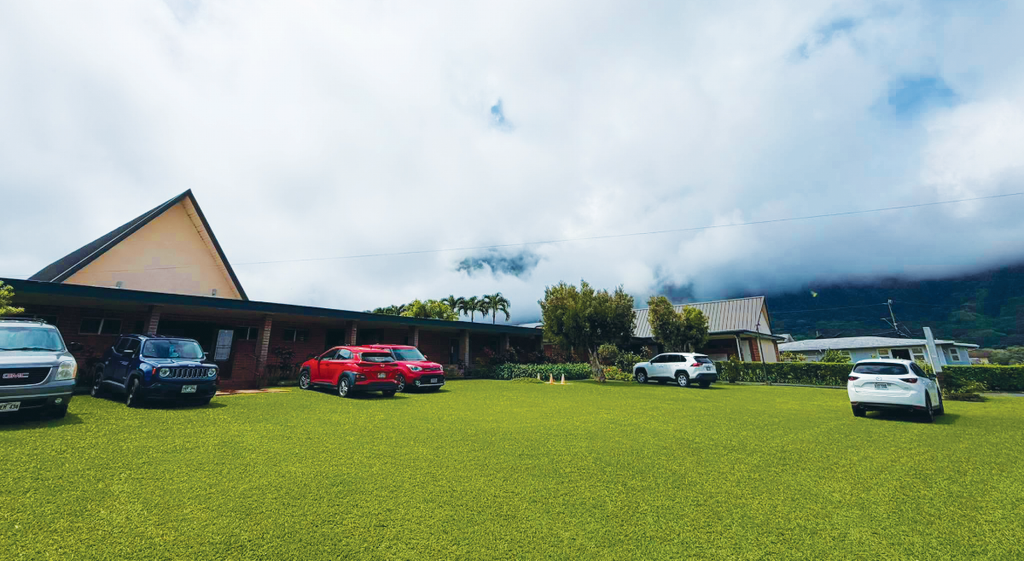
When the Kaneohe church opened its doors for a mental health seminar this spring, the message that emerged from a series of speakers was strikingly consistent: prayer didn’t replace professional help in their lives; prayer is what led them to it.
The seminar, titled “Through the Darkness There Is Hope,” brought together church members willing to speak openly about subjects rarely discussed from the pulpit: suicide, addiction, childhood trauma, and postpartum depression—offered not as cautionary tales but as testimonies of recovery.
A family’s long road
One church member shared how decades of substance abuse led him to a night he had planned to be his last. He survived, waking not in the place he expected but with help arriving at exactly the right moment. What followed wasn’t just prayer, he said, but a hard conversation with someone he trusted and, eventually, a doctor’s care. “That began my 40-year journey that allowed God to use me to spread His truth,” he told the congregation.
His daughter shared her own experience with suicidal thoughts in high school, a struggle she hid from the people who loved her most, until her mother noticed something was wrong and asked. That conversation opened the door to therapy. “God granted me the blessing of having attentive parents,” she said, “but it is extremely important to get the professional help that we need in order to find healthy coping mechanisms.”
Breaking a cycle
Another member’s testimony traced a harder road: childhood abuse, family instability, and a suicidal crisis of her own that went unspoken for years. Decades later, when her own daughter confided that she, too, was struggling, she and her husband didn’t wait. They got her into therapy immediately and stayed close through the recovery. “Please stay close to your children and pay attention to them,” she urged. “Get them into therapy and never stop praying for them.”
Naming what isn’t talked about
A third speaker addressed postpartum depression, a condition she said affects one in five new mothers and is too often carried in silence. “This is not a mental defect or some sort of flaw,” she said. “It’s an actual medical illness.” Her message was practical as much as spiritual: if something is broken, you call someone equipped to fix it. “It’s the same thing when it comes to your mental health. You need the proper tools or resources to address the things you’re dealing with.”
Rebuilding after the fall
Rounding out the seminar, a final speaker offered a framework for healing from trauma and loss, drawing on both Scripture and the psychology of how unresolved pain can resurface later in life—often, she noted, as addiction or a distorted sense of self. Her message: healing means learning what we can and cannot control, setting healthy boundaries, and seeking real support rather than running from pain. “With God’s help,” she said, “we can rebuild with courage, protect our peace, renew our minds, and create a legacy filled with light, laughter, love, and heavenly hope.”


A consistent message
What tied the testimonies together wasn’t a single story but a shared conviction: faith and professional care aren’t in competition. Every speaker who described a personal crisis also described a moment when someone—whether a spouse, parent, doctor, or therapist—stepped in. And getting that help was part of, not separate from, their walk with God.
For a congregation that has weathered these struggles quietly for years, the seminar offered something rarer than answers: permission to talk about it and a clear message that reaching for help is not a failure of faith but often the answer to it.
Thank you to the Pereza ‘ohana, Jenaiah Filio, Carmela Guerrero, and Hannah Abbott.
____________________
By Miguel MotaManzo
Esperanza en medio de la oscuridad: La iglesia de Kaneohe aborda la salud mental con fe y acción
Cuando la iglesia de Kaneohe abrió sus puertas esta primavera para ofrecer un seminario sobre salud mental, el mensaje que surgió de los diversos oradores fue notablemente uniforme: en sus vidas, la oración no sustituyó la ayuda profesional; la oración fue lo que los llevó a buscarla.
El seminario, titulado «En medio de la oscuridad hay esperanza», reunió a miembros de la iglesia dispuestos a hablar abiertamente sobre temas que rara vez se tratan desde el púlpito: el suicidio, la adicción, el trauma infantil y la depresión posparto. No se presentaron como relatos de advertencia, sino como testimonios de recuperación.
El largo camino de una familia
Un miembro de iglesia relató cómo varias décadas de abuso de sustancias lo llevaron a una noche que había planeado que fuera la última. Sobrevivió y despertó, no en el lugar que esperaba, sino mientras la ayuda llegaba exactamente en el momento oportuno. Lo que siguió no fue solamente oración, dijo, sino una conversación difícil con alguien de su confianza y, finalmente, la atención de un médico. «Así comenzó mi recorrido de 40 años, durante el cual Dios pudo utilizarme para difundir su verdad», dijo a la congregación.
Su hija relató su propia experiencia con pensamientos suicidas durante high school, una lucha que ocultó de las personas que más la amaban hasta que su madre notó que algo no estaba bien y le preguntó. Aquella conversación abrió la puerta a la terapia. «Dios me concedió la bendición de tener padres atentos», dijo, «pero es sumamente importante obtener la ayuda profesional que necesitamos para desarrollar mecanismos saludables de afrontamiento».
Romper un ciclo
El testimonio de otra integrante trazó un camino más difícil: maltrato durante la infancia, inestabilidad familiar y una crisis suicida que ella misma sufrió y de la cual no habló durante años. Décadas más tarde, cuando su propia hija le confió que también atravesaba dificultades, ella y su esposo no esperaron. La llevaron de inmediato a terapia y permanecieron cerca durante su recuperación. «Por favor, manténganse cerca de sus hijos y préstenles atención», exhortó. «Llévenlos a terapia y nunca dejen de orar por ellos».
Nombrar aquello de lo que no se habla
Una tercera oradora abordó la depresión posparto, una afección que, según explicó, afecta a una de cada cinco madres primerizas y que con demasiada frecuencia se sufre en silencio. «Eso no es un defecto mental ni alguna clase de falla», dijo. «Es una verdadera enfermedad médica». Su mensaje fue tan práctico como espiritual: si algo se rompe, se llama a alguien capacitado para repararlo. «Lo mismo ocurre con la salud mental. Se necesitan las herramientas o los recursos adecuados para afrontar aquello con lo que uno está lidiando».
Reconstruir después de la caída
Para concluir el seminario, una última oradora presentó un marco para sanar del trauma y la pérdida, basado tanto en las Escrituras como en la psicología de la manera en que el dolor no resuelto puede resurgir más adelante en la vida, con frecuencia, señaló, como adicción o como una percepción distorsionada de uno mismo. Su mensaje fue que sanar implica aprender lo que podemos y no podemos controlar, establecer límites saludables y buscar apoyo verdadero en lugar de huir del dolor. «Con la ayuda de Dios», dijo, «podemos reconstruir con valentía, proteger nuestra paz, renovar nuestra mente y crear un legado lleno de luz, risa, amor y esperanza celestial».
Un mensaje constante
Lo que vinculó los testimonios no fue una sola historia, sino una convicción compartida: la fe y la atención profesional no están en competencia. Cada orador que describió una crisis personal también relató un momento en que alguien —fuera cónyuge, padre, madre, médico o terapeuta— intervino. Y recibir esa ayuda formó parte de su caminar con Dios; no fue algo separado de él.
Para una congregación que durante años había sobrellevado esas luchas en silencio, el seminario ofreció algo aún más difícil de encontrar que las respuestas: permiso para hablar del tema y un mensaje claro de que pedir ayuda no constituye una falta de fe, sino que, con frecuencia, es una decisión nacida de ella.
Gracias a la ‘ohana Pereza, Jenaiah Filio, Carmela Guerrero y Hannah Abbott.
____________________
Por Miguel Mota Manzo