
Teaching by Presence
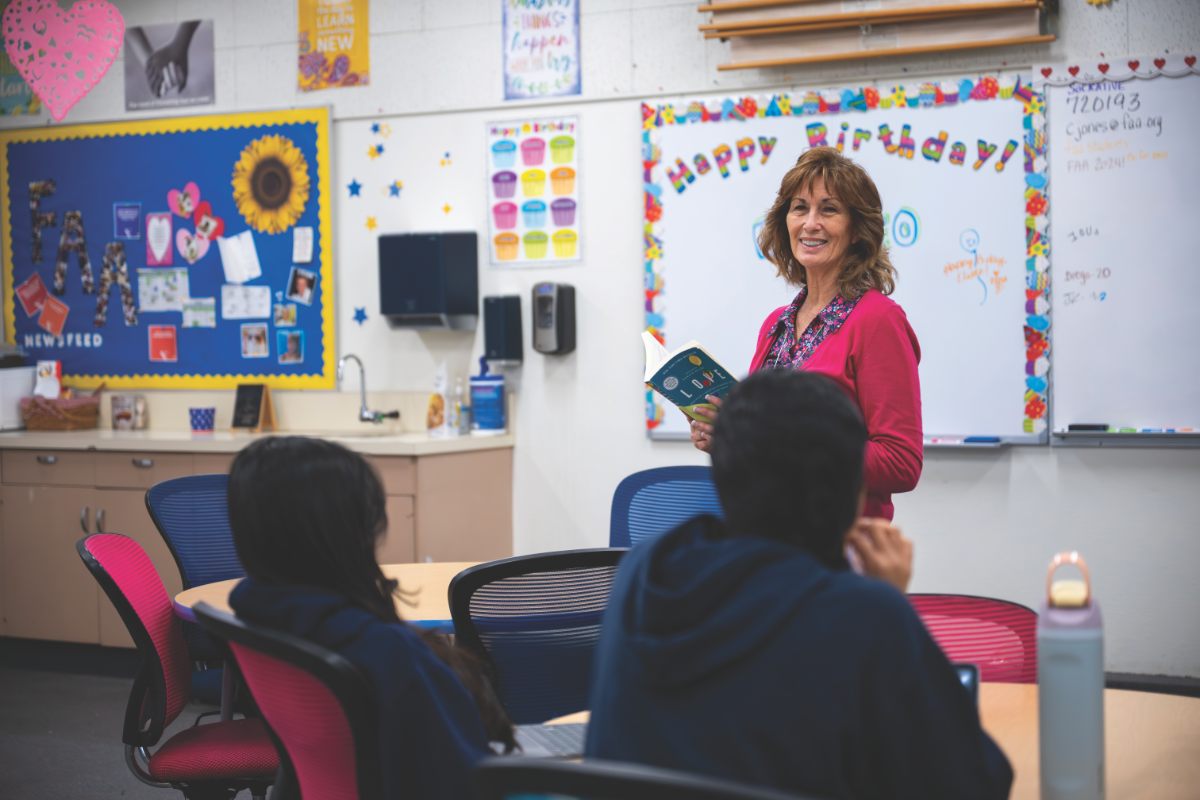
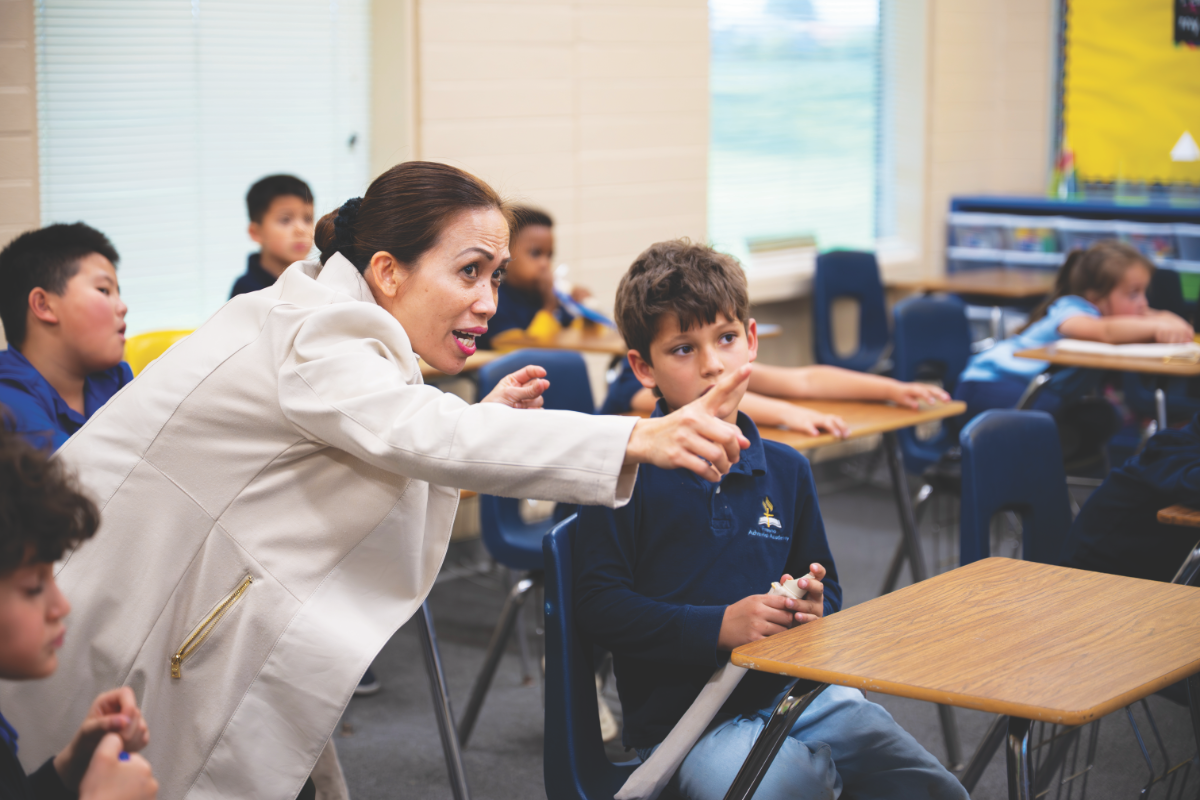
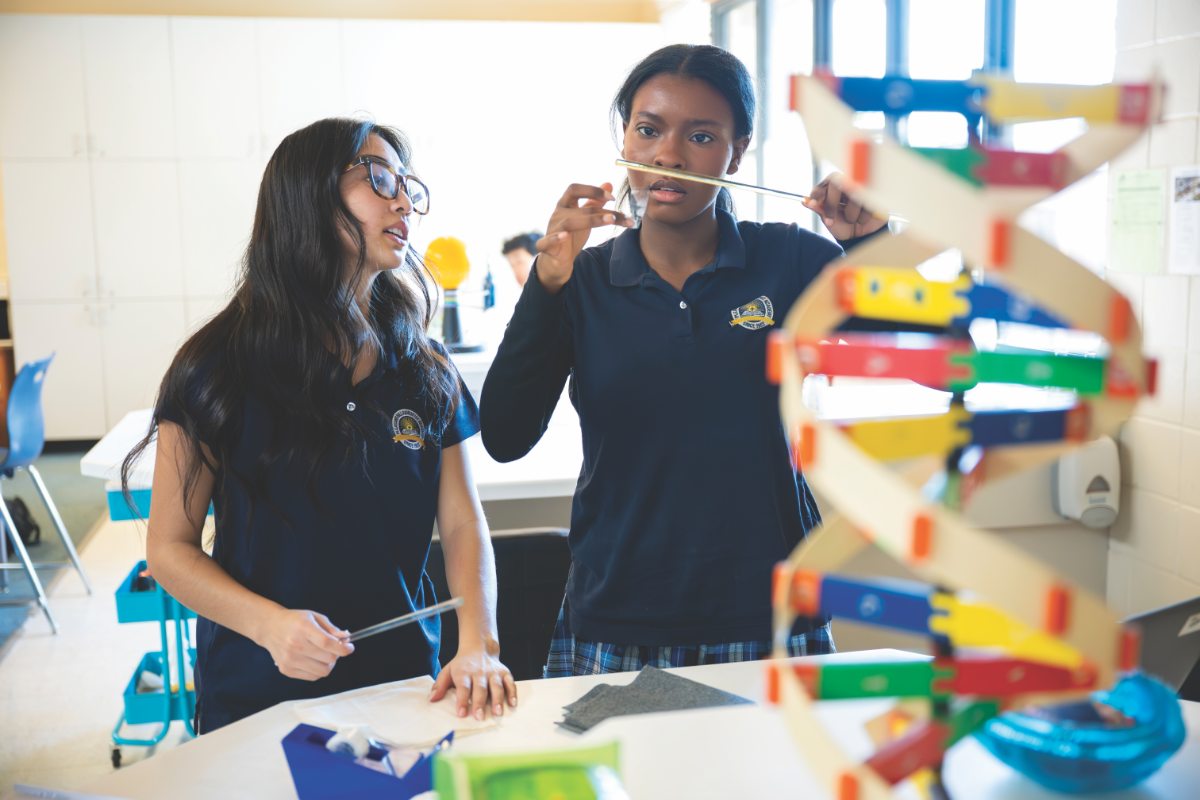

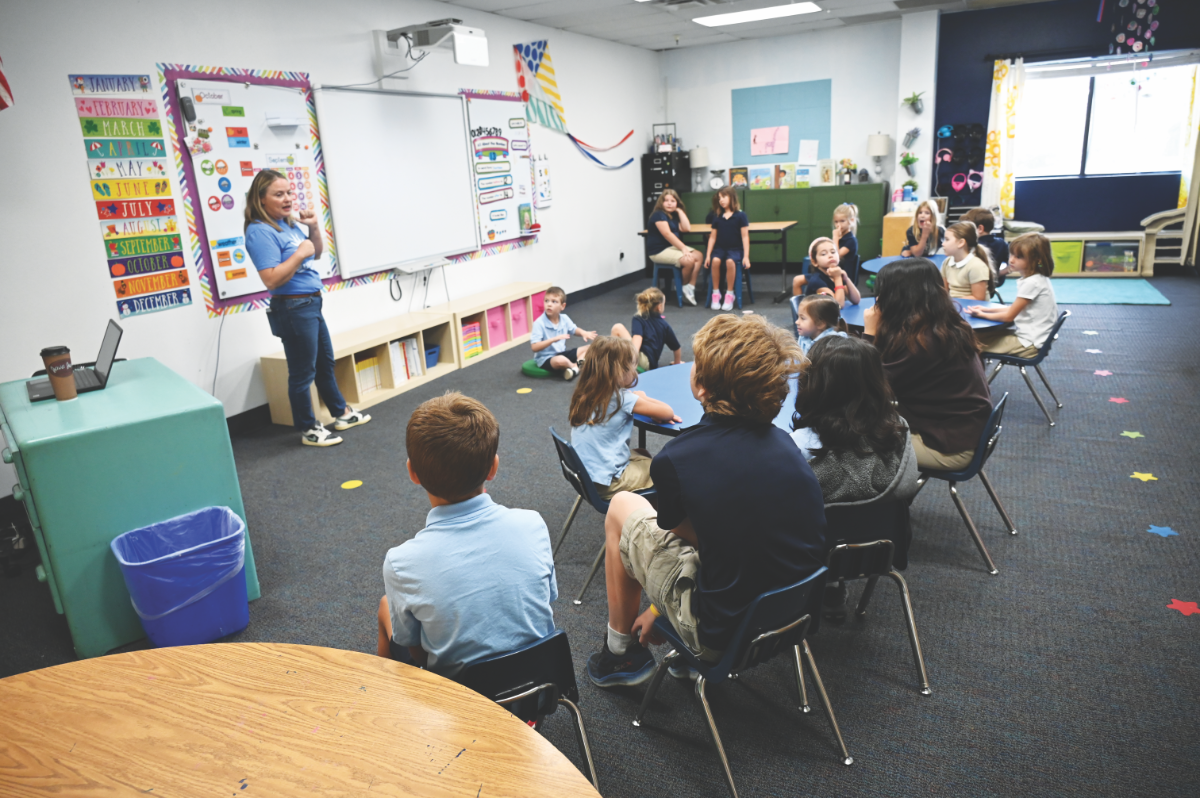
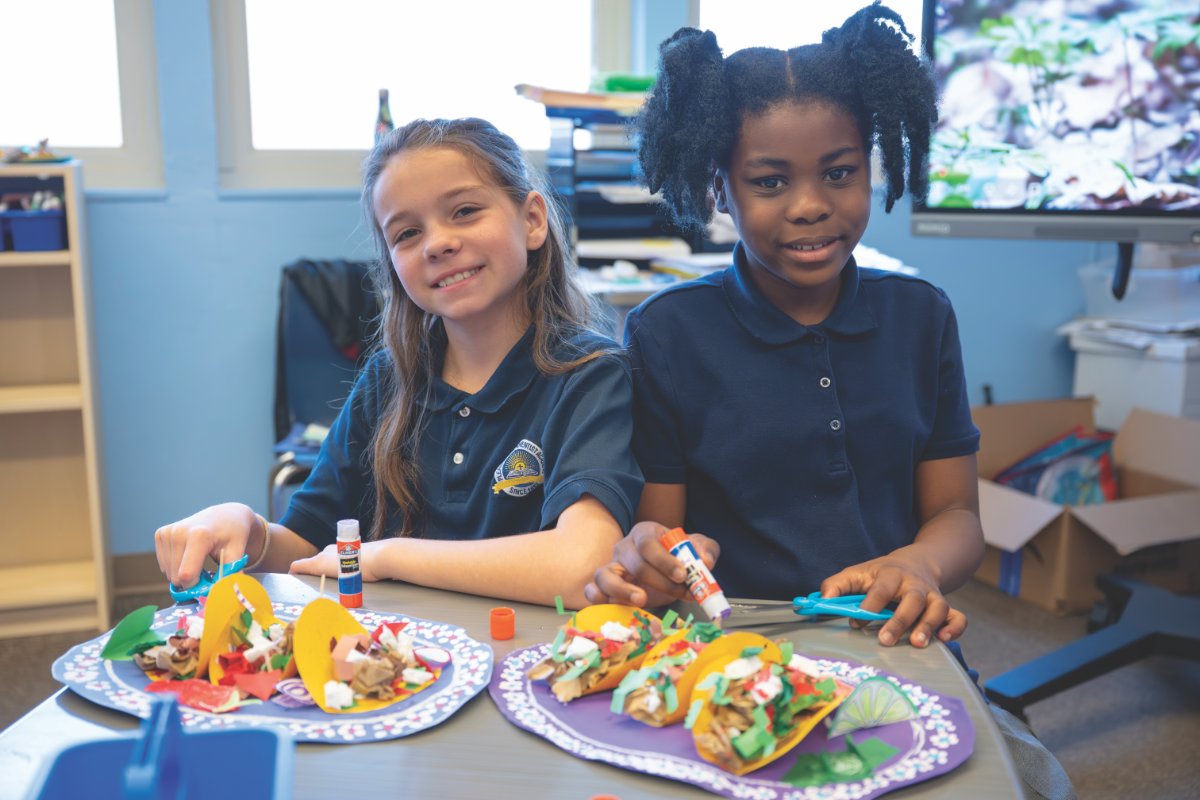
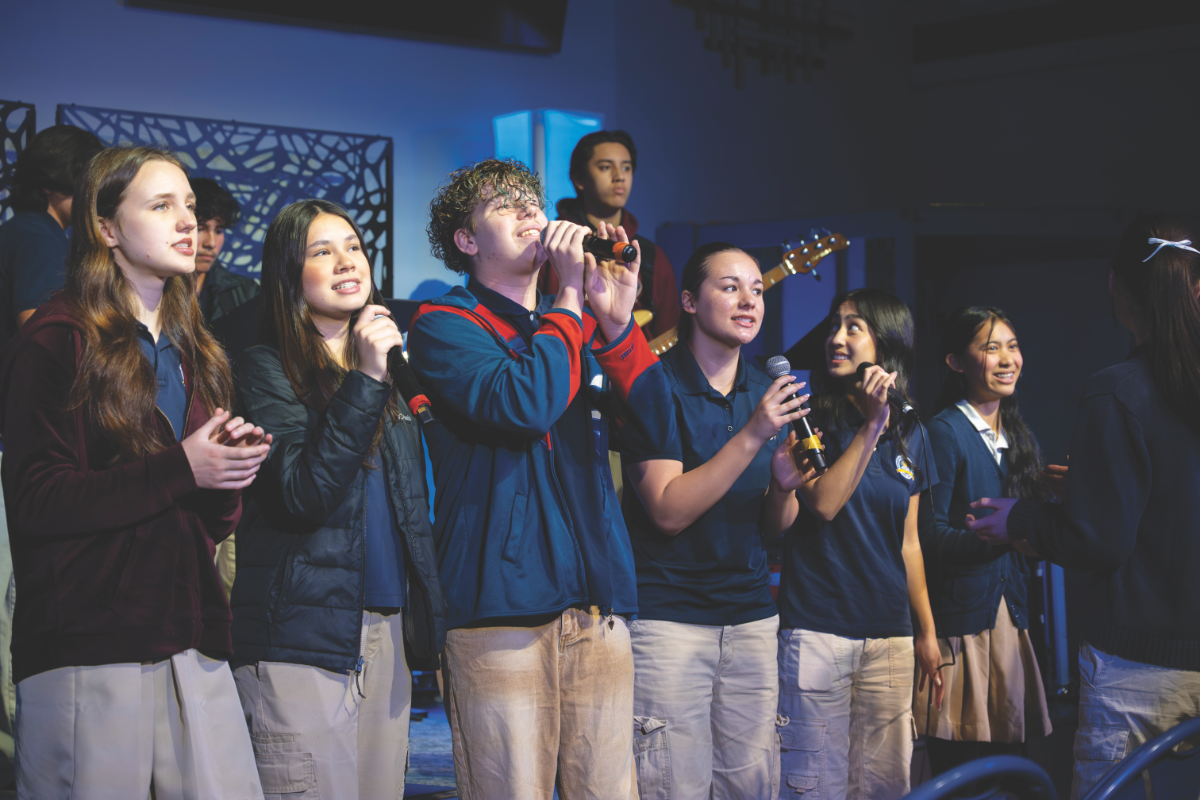
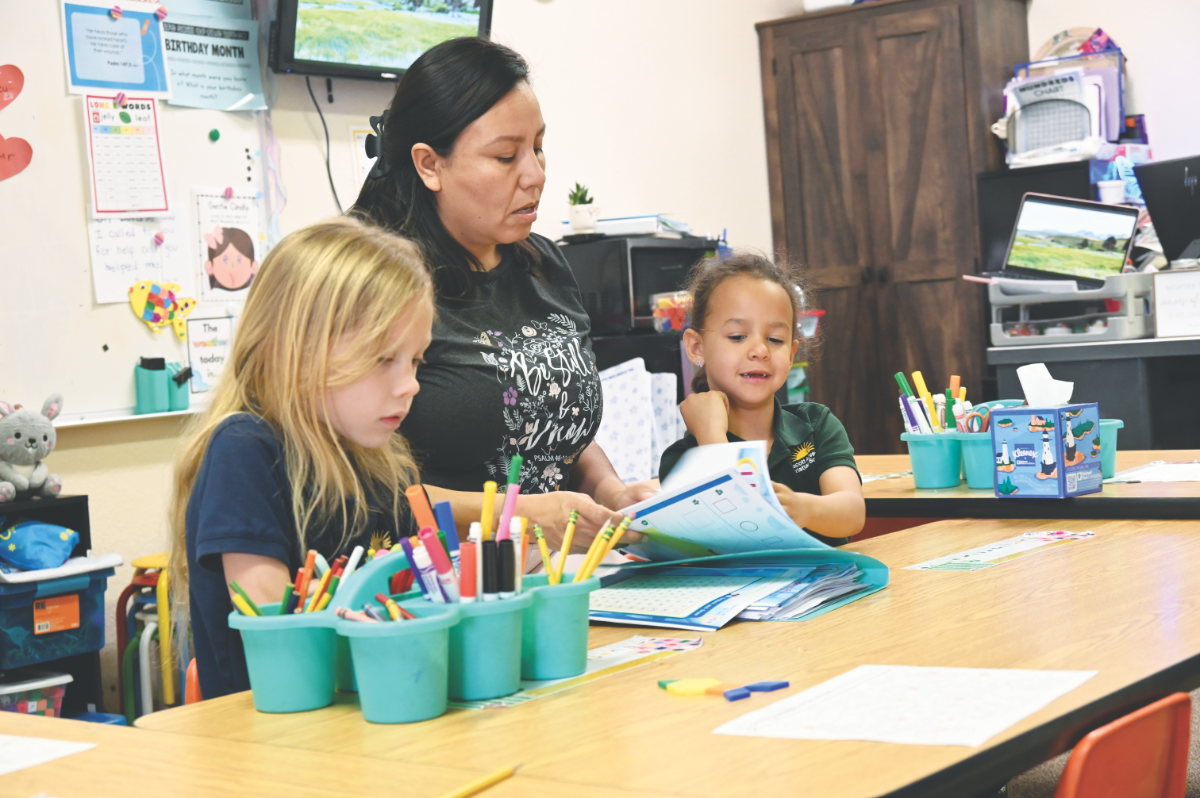
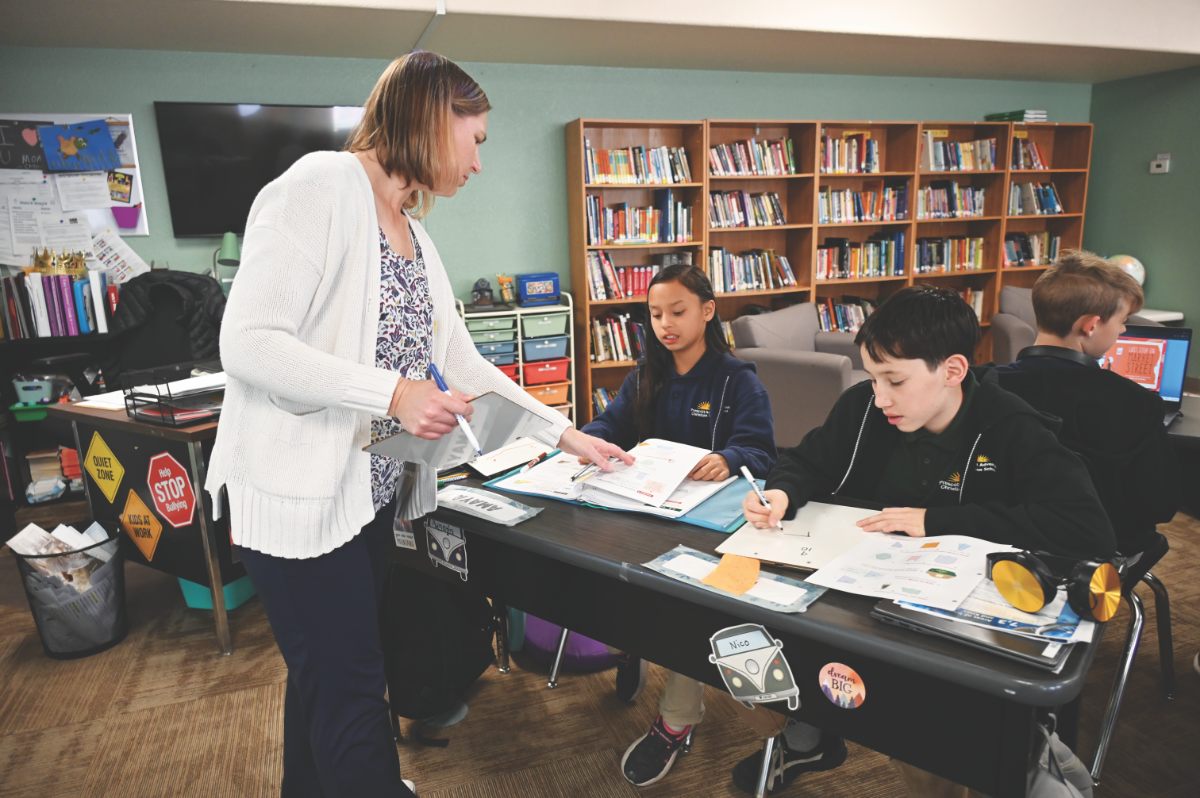
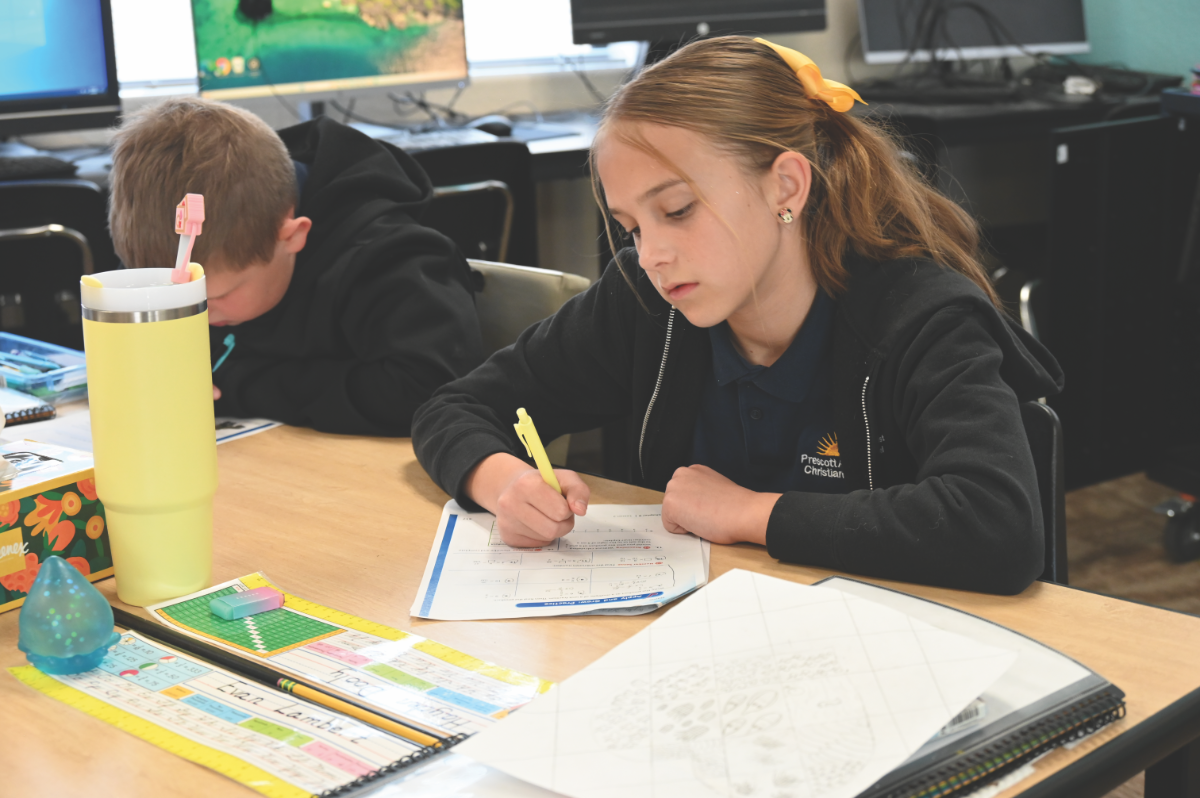
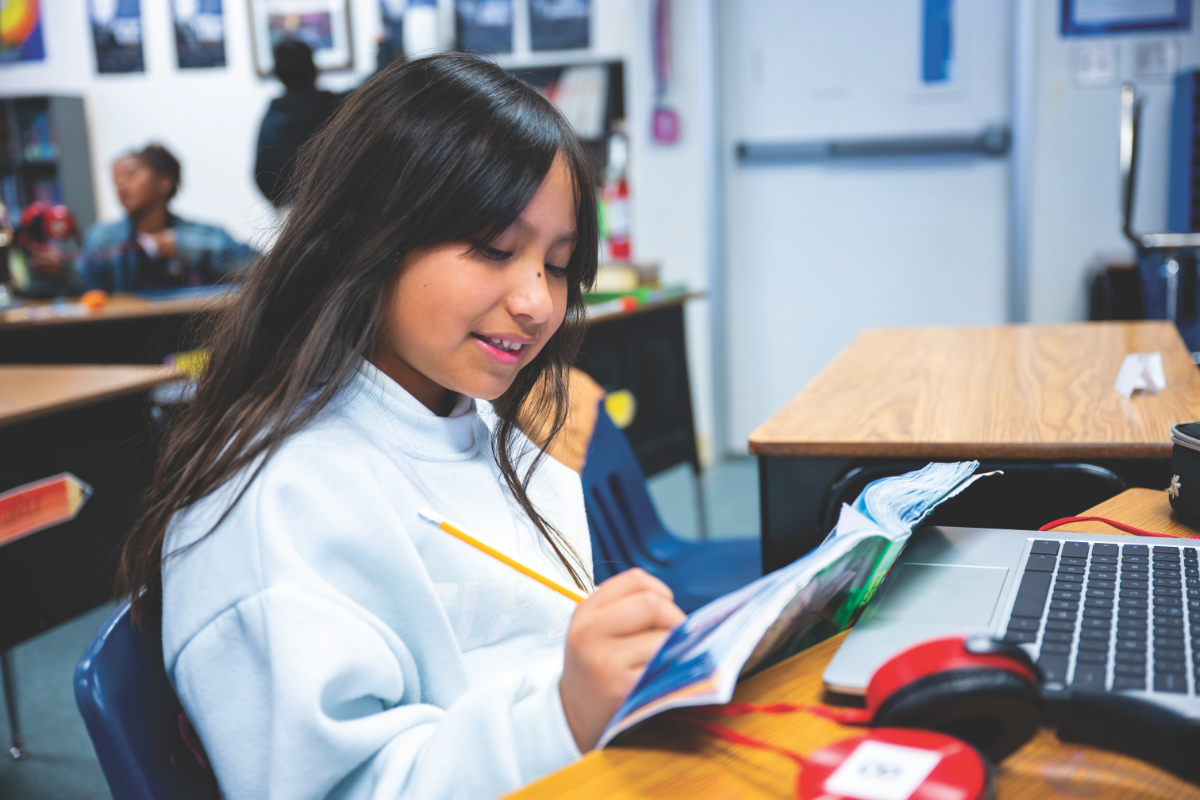
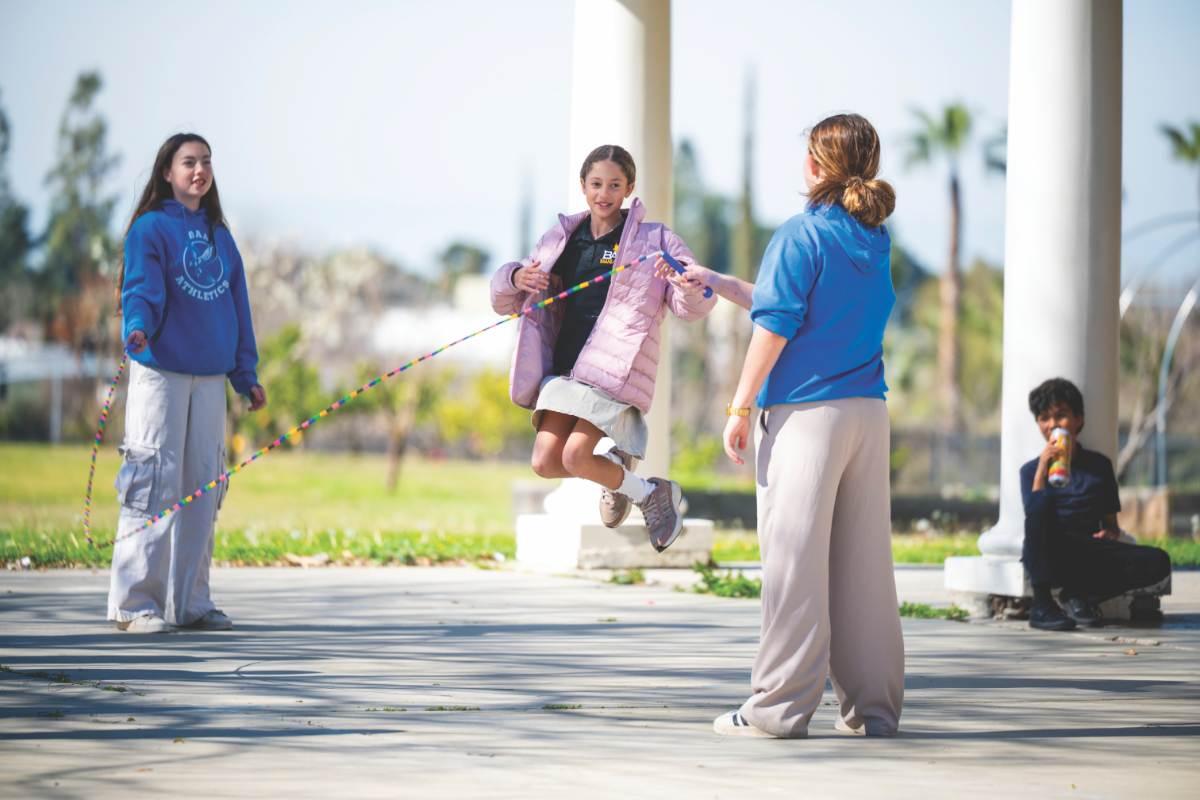
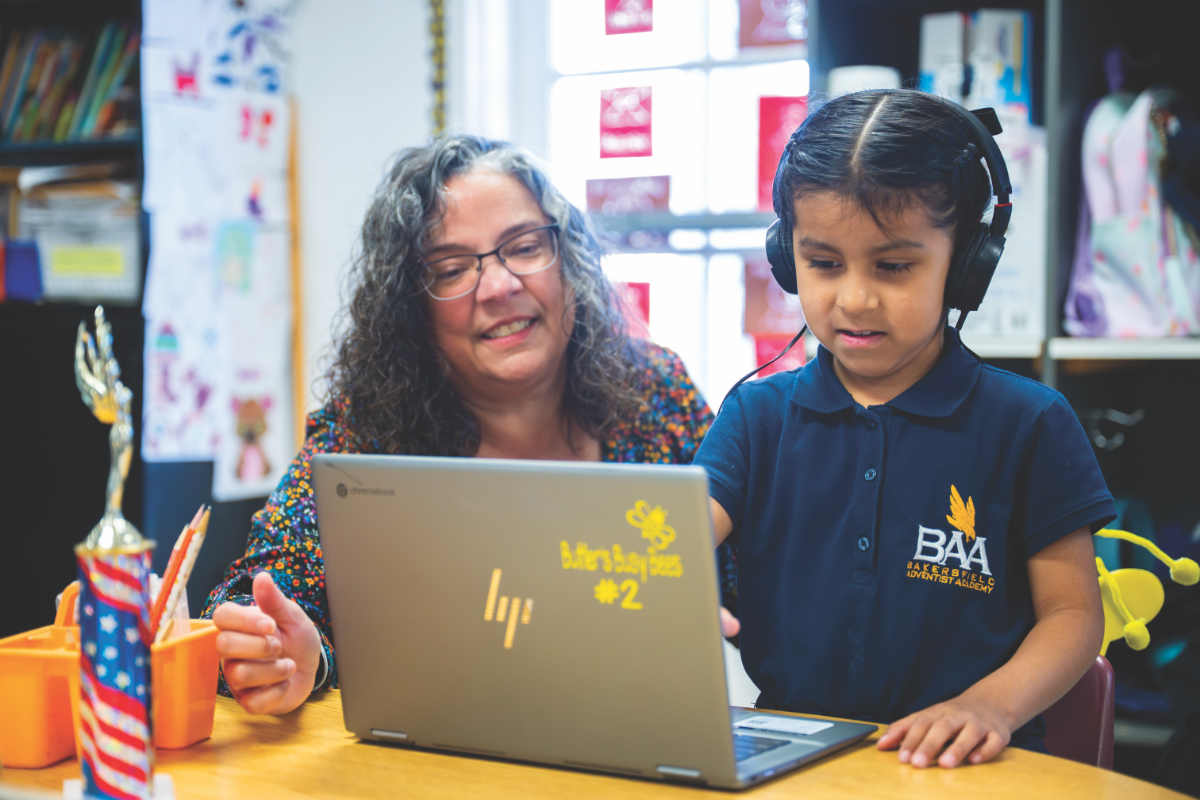
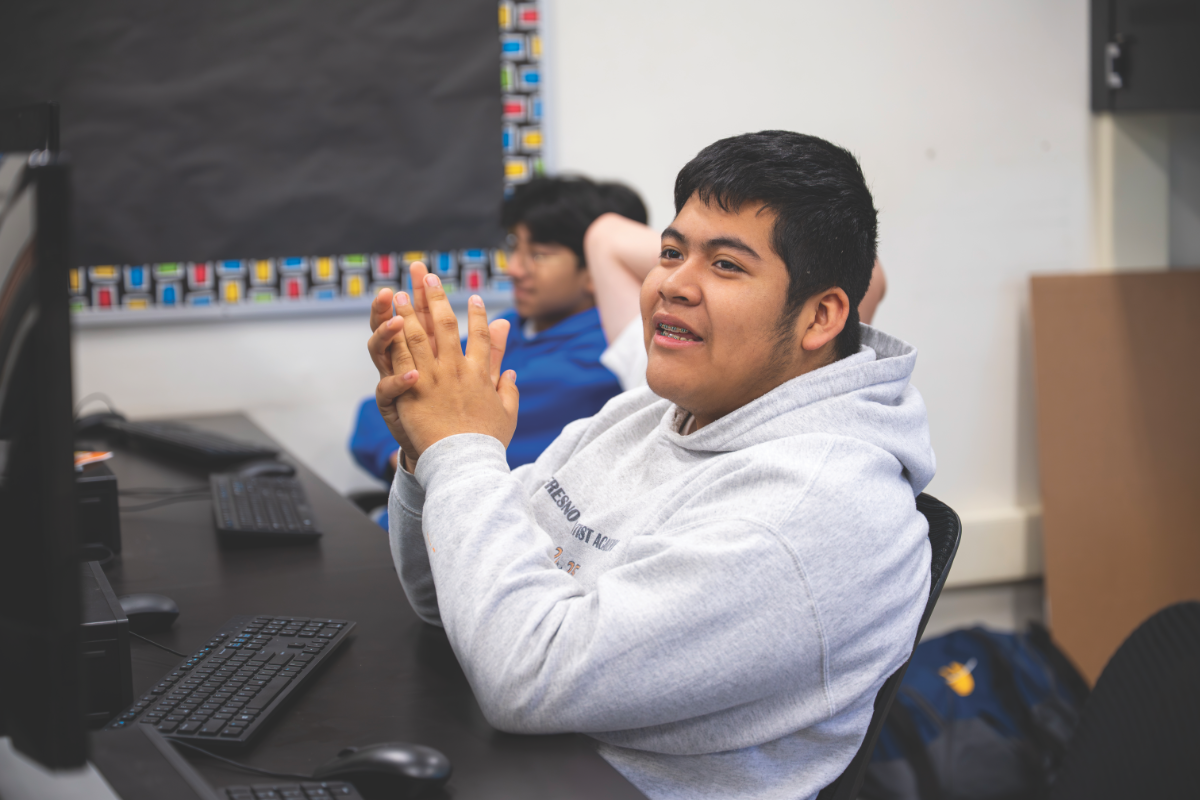
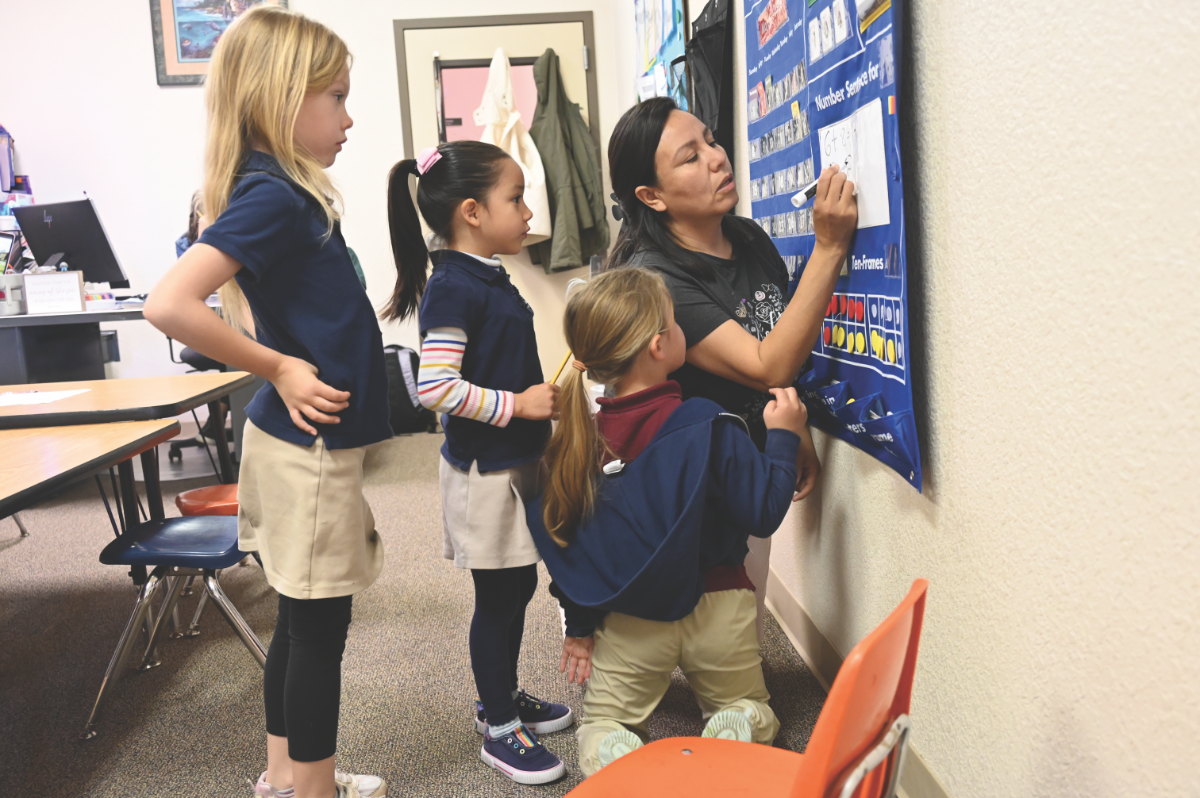
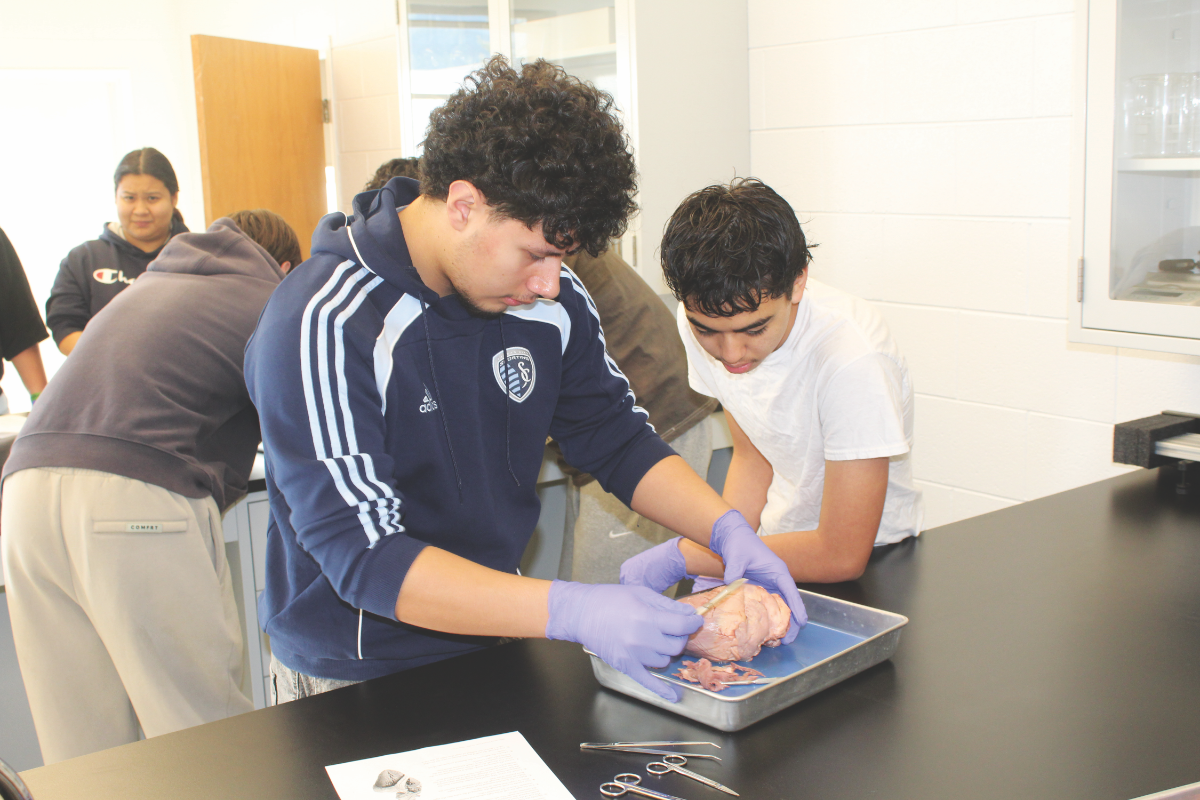
I did not grow up thinking of education as theory. I experienced it first as presence. Long before I could articulate what a worldview was or what it meant to integrate faith and learning, I encountered teachers who simply were something: steady, attentive, patient, curious. Only much later did I realize that what they offered me had little to do with syllabi and everything to do with formation. They were shaping not only my thinking but also my posture toward life.
Christian teachers, at their best, do not merely instruct; they model a way of inhabiting the world. And children—especially children—are exquisitely tuned to this. They notice tone before content, consistency before correctness, and integrity before eloquence. What we call “education” often arrives quietly, through repeated exposure to how an adult listens, corrects, hopes, forgives, and perseveres.
Looking back, I realize that some of the most important lessons I received were never announced as lessons at all.
There is a phrase often attributed to Goethe that I think may be applied to Christian education: “There are only two lasting bequests we can hope to give our children. One of these is roots, the other, wings.” Christian educators provide roots and give wings to their students. Wings without roots produce anxiety; roots without wings produce fear. Christian teachers, when they are faithful to their calling, hold both together.
I have come to believe that the order matters. The roots come first. They are formed through predictability, trust, and moral clarity. In classrooms where prayer is natural rather than forced, where Scripture is treated as a living text rather than a weapon, where mistakes are met with guidance rather than humiliation, children learn something essential: the world is not hostile. Or at least, not entirely so.
For many children, school is the first place where they test whether authority can be trusted. A Christian teacher who is firm without being cruel, who is principled without being rigid, can quietly teach that power does not have to be abusive. If that lesson is not taught well, it can take a lifetime to unlearn.
Only later do the wings come. Wings appear when a teacher notices something in a child that the child does not yet see—an aptitude, a sensitivity, a voice waiting to be used. Often the moment seems small at the time: an invitation to lead, to speak, to try. But years later it reveals itself as a hinge in the story.
I know now that some teachers were lending me confidence before I had earned it, trusting me with responsibility before I knew what to do with it. That trust became a prophecy I spent years trying to fulfill.
Every school has a hidden curriculum. It is not written in lesson plans, but it is relentlessly taught. It answers questions children are always asking, even if silently: Who matters here? What happens when you fail? Is it safe to ask questions? Is faith something you perform or something you live?
Christian teachers shape this hidden curriculum more powerfully than they realize. Children learn whether belief is compatible with kindness by watching how teachers treat the difficult student. They learn whether truth is something to pursue or something to defend by how questions are handled. They learn whether God is patient by observing whether adults are.
I think now of how often my own understanding of God was mediated through the adults who spoke about Him. Long before theology made sense, character did. Faith that produced gentleness felt believable. Faith that produced fear did not.
This is why Christian education cannot survive on content alone. You can teach Bible classes perfectly and still undermine the gospel if the atmosphere of the classroom contradicts it. Children are remarkably adept theologians in this way. They may not know the term, but they recognize dissonance immediately.
One of the most challenging things a teacher can do today is pay sustained attention.
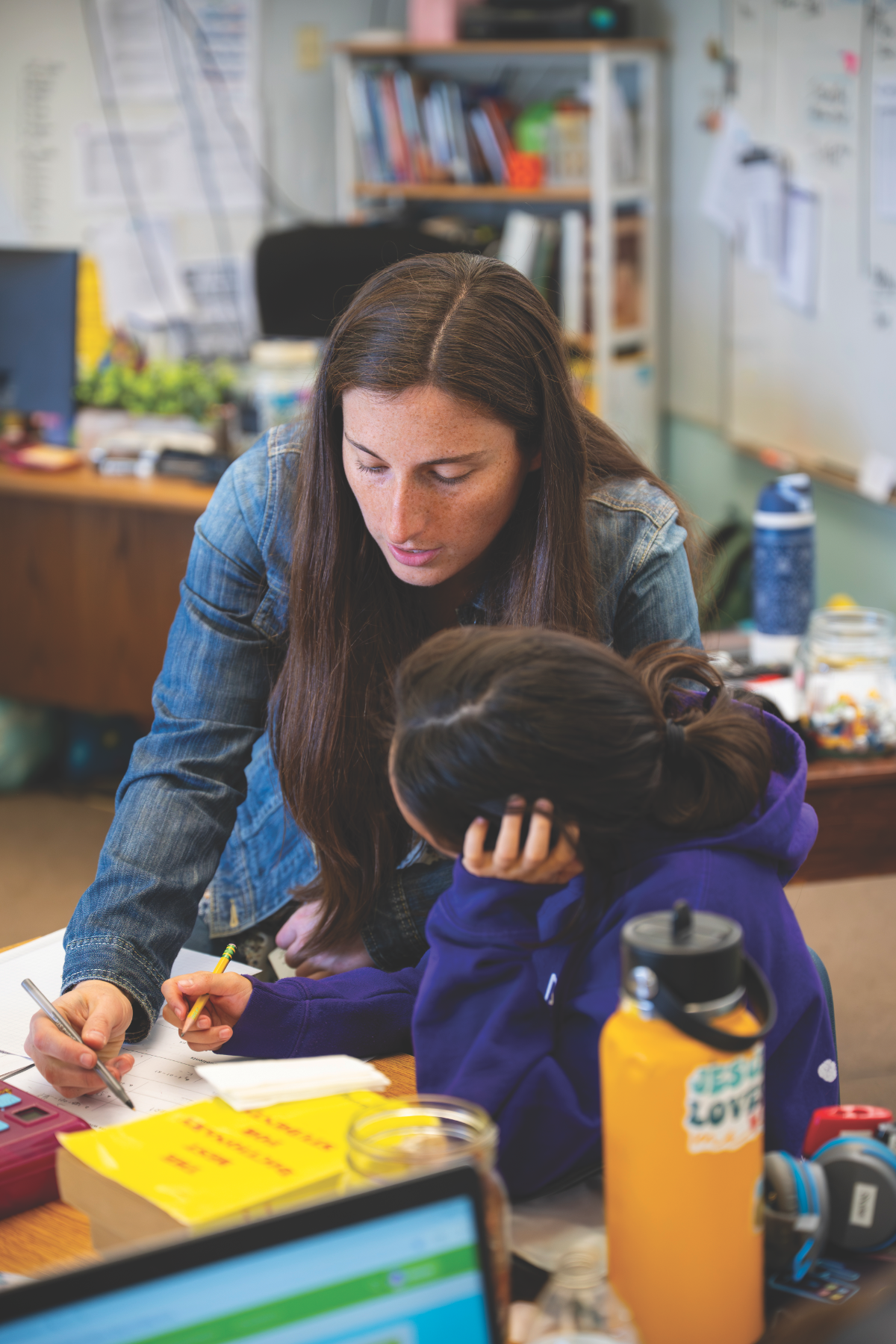
Attention is not efficiency. It is not productivity. It is presence. When a teacher notices a child—really notices them—something foundational happens. The child learns that they are not invisible, not interchangeable, not merely one more body in a seat.
I have come to believe that attention is a moral act. To attend to someone is to affirm their worth without needing to justify it. In a culture shaped by speed and distraction, such attention feels almost extravagant.
Christian teachers, whether they intend to or not, model what it means to love one’s neighbor in ordinary time. They do it by remembering names, by noticing shifts in mood, by asking questions that are not on the test. These small acts accumulate. They become a memory children carry long after the rules of grammar or algebraic expressions fade.
I can still picture classrooms where I felt seen—and others where I did not. The difference shaped not only my academic confidence but my sense of self.
We live in a culture obsessed with outcomes. Education is increasingly justified in terms of measurable success: careers, salaries, credentials. None of these are unimportant. But Christian education, if it is to remain Christian, must resist allowing outcomes to replace formation as its primary goal.
The deeper question is not “What will this child become?” but “Who is this child becoming?”
Christian teachers live with this tension daily. They prepare students for exams and expectations they did not create, while quietly holding a longer horizon in view. They know that the most important qualities—wisdom, courage, compassion, faithfulness—do not appear neatly on transcripts.
Some of the most influential teachers in my life did not push me toward success as much as toward integrity. They wanted me to think carefully, speak honestly, and live attentively. They were less interested in impressing the world than in helping me stand upright within it.
Only later did I realize how rare that gift is.
In the end, Christian teaching is a form of witness. Not the loud, declarative kind, but the steady, embodied kind. It says: This way of life is possible. Faith can be lived without fear. Learning can be an act of hope.
Children may forget what teachers say, but they rarely forget who teachers were to them. They remember how it felt to walk into the room. They remember whether they were trusted. They remember whether belief enlarged the world or shrank it.
I know this because I remember.
And perhaps that is the quiet miracle of Christian teachers: they participate in shaping lives they will never fully see, planting seeds whose growth they may never witness. They teach for futures they will not inhabit, trusting that presence, offered faithfully, is never wasted.
If education is, at its heart, another word for discipleship, then Christian teachers are doing sacred work—often without applause, often within limits. And yet, again and again, their influence outlives the classroom.
I am, in many ways, still living inside their lessons.
_____________________________
Alberto Valenzuela is the associate director of communication and community engagement for the Pacific Union Conference and editor of the Recorder.
El poder formativo de los maestros cristianos
Enseñanza a través de la presencia
Por Alberto Valenzuela
No crecí pensando en la educación como teoría. Yo lo experimenté primero como presencia. Mucho antes de poder articular qué era una cosmovisión o qué significaba integrar la fe y el aprendizaje, me encontré con profesores que simplemente eran significativos: estables, atentos, pacientes, curiosos. Solo mucho después me di cuenta de que lo que me ofrecían tenía poco que ver con los programas y todo que ver con la formación. No solo moldeaban mi forma de pensar, sino también mi postura hacia la vida.
Los maestros cristianos, en su mejor versión, no se limitan a instruir; modelan una forma de habitar el mundo. Los estudiantes están exquisitamente sintonizados con eso. Notan el tono antes que el contenido, la consistencia antes que la corrección y la integridad antes que la elocuencia. Lo que llamamos «educación» suele llegar de forma discreta, a través de la exposición repetida cómo un adulto escucha, corrige, espera, perdona y persevera.
Al reflexionar, me doy cuenta de que algunas de las lecciones más importantes que recibí nunca se presentaron como lecciones.
Hay una frase que a menudo se atribuye a Goethe y que creo que puede aplicarse a la educación cristiana: «Solo hay dos legados duraderos que podemos esperar dar a nuestros hijos. Uno de ellos son raíces, la otra, alas». Los educadores cristianos aportan raíces y dan alas a sus alumnos. Las alas sin raíces producen ansiedad; las raíces sin alas producen temor. Los maestros cristianos, cuando son fieles a su vocación, mantienen ambos unidos.
He llegado a pensar que el orden importa. Las raíces son lo primero. Se forman a través de la previsibilidad, la confianza y la claridad moral. En las aulas donde la oración es natural y no forzada, donde las Escrituras se tratan como un texto vivo y no como un arma, donde los errores encuentran dirección en lugar de humillación, los niños aprenden algo esencial: el mundo no es hostil. O al menos, no del todo.
Para muchos niños, la escuela es el primer lugar donde ponen a prueba si se puede confiar en la autoridad. Un maestro cristiano firme sin ser cruel, que es recto sin ser rígido, puede enseñar en silencio que el poder no tiene por qué ser abusivo. Si esa lección no se enseña bien, puede llevar toda una vida para desaprenderla.
Solo más tarde llegan las alas. Las alas aparecen cuando un profesor nota algo en un alumno que este aún no ve: una aptitud, una sensibilidad, una voz esperando ser usada. A menudo el momento parece pequeño en ese instante: una invitación a liderar, a hablar, a intentarlo. Pero años después se revela como una bisagra en la historia.
Ahora sé que algunos profesores me daban confianza antes de que la ganara, confiando en mí con la responsabilidad antes de que supiera qué hacer con ella. Esa confianza se convirtió en una profecía que pasé años intentando cumplir.
Cada escuela tiene un currículo oculto. No está escrito en los planes de clase, pero se enseña sin descanso. Responde a las preguntas que los chicos siempre se hacen, aunque sea en silencio: ¿Quién importa aquí? ¿Qué pasa cuando fracasas? ¿Es seguro hacer preguntas? ¿Es la fe algo que se practica o se vive?
Los profesores cristianos moldean ese currículo oculto de forma más impactante de lo que se imaginan. Los chicos aprenden si la creencia es compatible con la bondad observando cómo los profesores tratan al alumno difícil. Aprenden si la verdad es algo que buscar o defender por cómo se manejan las preguntas. Aprenden si Dios es paciente observando si los adultos lo son.
Ahora pienso en cuántas veces mi propia comprensión de Dios se mediaba a través de los adultos que hablaban de él. Mucho antes de que la teología tuviera sentido, el carácter lo tuvo. La fe que producía ternura resultaba creíble. La fe que producía temoe no lo hizo.
Por eso la educación cristiana no puede sobrevivir solo con su contenido. Puedes impartir clases bíblicas perfectamente y aun así socavar el evangelio si el ambiente del aula lo contradice. Los chicos son teólogos notablemente hábiles en este sentido. Puede que no conozcan el término, pero reconocen la disonancia de inmediato.
Una de las cosas más desafiantes que puede hacer un profesor hoy en día es prestar una atención sostenida.
La atención no es eficiencia. No es productividad. Es presencia. Cuando un profesor se fija en un chico —cuando de verdad lo nota— ocurre algo fundamental. El chico aprende que no es invisible, no es intercambiable, no es simplemente un cuerpo más en un asiento.
He llegado a creer que la atención es un acto moral. Atender a alguien es afirmar su valor sin necesidad de justificarlo. En una cultura marcada por la velocidad y la distracción, tal atención se siente casi extravagante.
Los maestros cristianos, lo quieran o no, muestran lo que significa amar al prójimo en el tiempo real. Lo hacen recordando nombres, notando cambios de ánimo, haciendo preguntas que no están en el examen. Esos pequeños actos se acumulan. Se convierten en un recuerdo que los niños llevan mucho después de que las reglas gramaticales o las expresiones algebraicas se desvanezcan.
Todavía puedo imaginar aulas donde me sentía visto —y otras donde no. La diferencia moldeó no solo mi confianza académica, sino también mi sentido de mí mismo.
Vivimos en una cultura obsesionada con los resultados. La educación se justifica cada vez más en términos de éxito medible: carreras, salarios, credenciales. Ninguna de esas cosas es irrelevante. Pero la educación cristiana, si quiere seguir siendo cristiana, debe resistir permitir que los resultados sustituyan a la formación como su objetivo principal.
La pregunta más profunda no es «¿En qué se convertirá este chico?» sino en «¿En quién se está convirtiendo este chico?»
Los maestros cristianos viven con esa tensión a diario. Preparan a los estudiantes para exámenes y expectativas que no crearon, mientras mantienen discretamente una visión más amplia. Saben que las cualidades más importantes —sabiduría, arrojo, compasión, fidelidad— no aparecen fácilmente en las calificaciones.
Algunos de los profesores más influyentes de mi vida no me impulsaron tanto hacia el éxito como hacia la integridad. Querían que pensara con cuidado, hablara con honestidad y viviera con atención. Estaban menos interesados en impresionar al mundo que en ayudarme a mantenerme erguido dentro del mundo.
Solo más tarde me di cuenta de lo raro que es ese regalo.
A fin de cuentas, la enseñanza cristiana es una forma de testimonio. No del tipo ruidoso y declarativo, sino del tipo constante y encarnado. Nos dice que ese modo de vida es posible. La fe se puede vivir sin temor. Aprender puede ser un acto de esperanza.
Los chicos, los alumnos, pueden olvidar lo que dicen los profesores, pero rara vez olvidan quiénes fueron para ellos. Recuerdan cómo se sintió entrar en el salón de clases. Recuerdan si el maestro o la maestra confiaba en ellos. Recuerdan si la creencia amplió o encogió su mundo.
Lo sé porque lo recuerdo.
Quizá ese sea el milagro silencioso de los maestros cristianos: participan en la formación de vidas que nunca llegarán a ver del todo, plantando semillas cuyo crecimiento quizá nunca presencien. Enseñan para futuros que no habitarán, confiando en que la presencia, ofrecida con fidelidad, nunca se desperdicia.
Si la educación es, en esencia, otra palabra para el discipulado, entonces los maestros cristianos están haciendo una obra sagrada —a menudo sin aplausos, a menudo dentro de límites estrechos. Sin embargo, una y otra vez, su influencia sobrevive al salón de clases.
En muchos sentidos, sigo viviendo dentro de sus lecciones.
_____________________________
Alberto Valenzuela es el director asociado de comunicación de la Pacific Union Conference y editor del Recorder.