
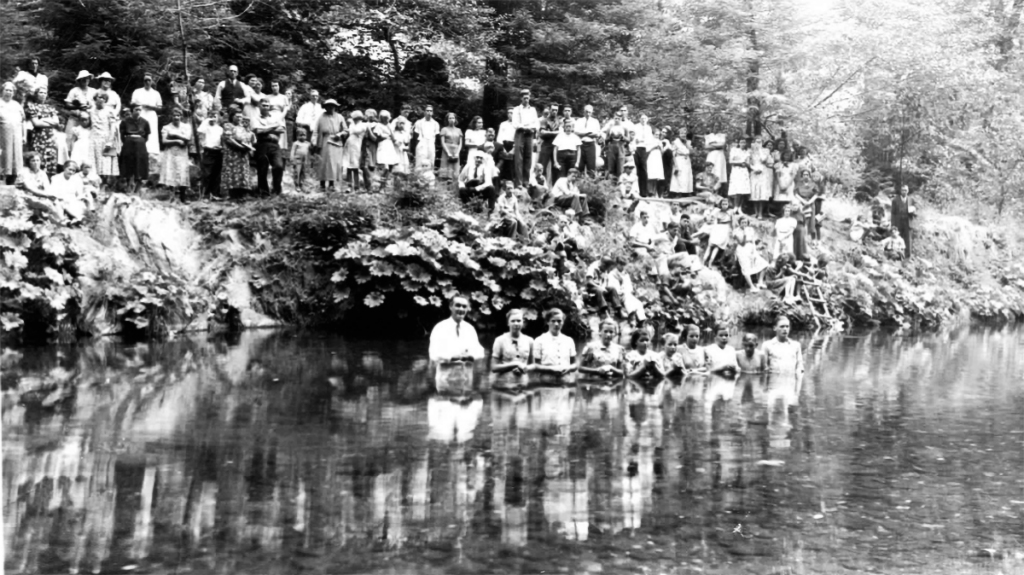
In the winter of 1885, a preacher named Nathaniel McClure held meetings in a place most couldn’t find on a map—Dow’s Prairie. There was nothing remarkable about it: a tent, a small crowd, and a message. Yet one listener, an elementary school teacher named Henrietta Johnson, would carry that moment far beyond the prairie.
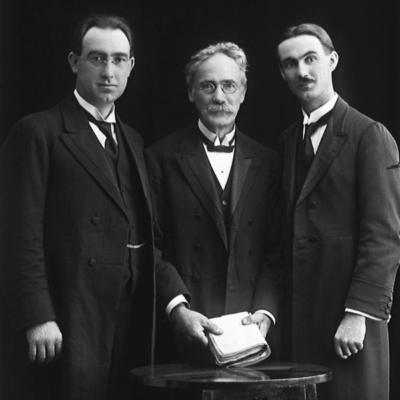
After her baptism, she enrolled at Healdsburg College, where her path in education deepened—and where she met theology student Robert Hare. They were married the same day he was ordained, and soon after they left for mission service in New Zealand and Australia, beginning a life shaped by ministry.
During those years, they welcomed a son, Eric B. Hare. He would grow to become a pastor known for vivid storytelling and a remarkable ability to connect young people with faith. By the 1930s, his ministry had brought him to Northern California.
There, along Redwood Creek, a property began to be used for youth gatherings as camp ministry took shape in the region. Surrounded by towering redwoods, it offered something simple but lasting—a place set apart for worship, learning, and community. Eric B. Hare remained closely connected to this kind of ministry, once affectionately calling the redwoods “the big sticks.”
That same vision continues today through the Northern California Conference, especially at Leoni Meadows Camp. What began with a single meeting on a remote prairie grew into a movement that recognizes the value of setting young people apart in nature to encounter God. Each year, hundreds of youth and adults gather in that same spirit—stepping away from the noise of everyday life to worship, build community, and grow in faith, rooted in a legacy that stretches back to those earliest moments.
____________________
By Dale Galusha
El inicio del ministerio juvenil de campamentos de NCC comenzó con un nombre famoso
En el invierno de 1885, un predicador llamado Nathaniel McClure celebró reuniones en un lugar que la mayoría no podía encontrar en un mapa: Dow’s Prairie. No tenía nada destacable: una carpa, una pequeña audiencia y un mensaje. Sin embargo, una oyente, una maestra de primaria llamada Henrietta Johnson, llevaría ese momento mucho más allá de la pradera.
Tras su bautizo, se matriculó en Healdsburg College, donde su recorrido en la educación se profundizó y donde conoció a Robert Hare, un estudiante de teología. Se casaron el mismo día que él fue ordenado y poco después partieron al servicio misionero en Nueva Zelanda y Australia, comenzando una vida en el ministerio.
Durante esos años, dieron la bienvenida a un hijo, Eric B. Hare. Llegaría a ser un pastor conocido por su vívida narración y una notable capacidad para conectar a los jóvenes con la fe. Para la década de 1930, su ministerio le había llevado al norte de California.
A lo largo de Redwood Creek, una propiedad comenzó a utilizarse para reuniones juveniles a medida que el ministerio de campamentos se formaba en la región. Rodeada de enormes secuoyas, ofrecía algo sencillo pero duradero: un lugar reservado para la adoración, el aprendizaje y la comunidad. Eric B. Hare mantuvo una estrecha relación con ese tipo de ministerio, llegando a llamar cariñosamente a las secuoyas “los grandes palos”.
Esa misma visión continúa a través de la Northern California Conference, especialmente en Leoni Meadows Camp. Lo que comenzó con un encuentro en una pradera remota se convirtió en un movimiento que reconoce el valor de colocar a los jóvenes en la naturaleza para encontrarse con Dios. Cada año, cientos de jóvenes y adultos se reúnen con ese mismo espíritu —alejarse del ruido de la vida cotidiana para adorar, edificar comunidad y crecer en la fe, arraigados en un legado que se remonta a esos primeros momentos.
____________________
Por Dale Galusha