
Here to Serve
One of the simplest ways I can describe the purpose of the Southeastern California Conference (SECC) is this: we are here to serve.
Jesus reminded His disciples that greatness in His kingdom looks different from greatness in the world. It is found in service.
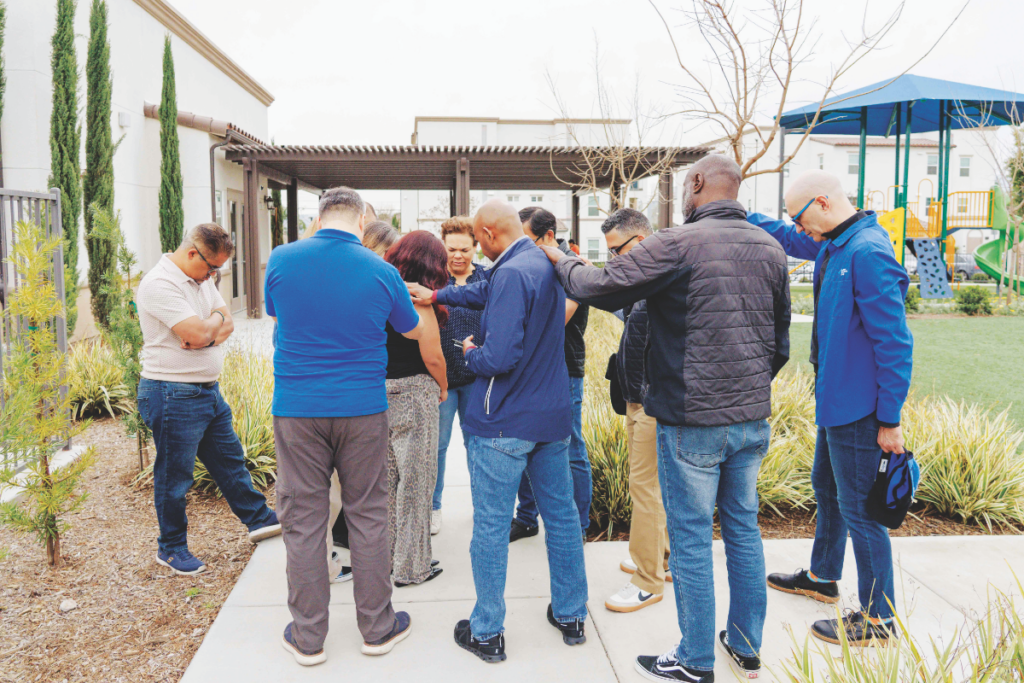
SECC exists to support the ministry happening every day in our local churches, schools, and communities. Our departments and ministries are not ends in themselves. They exist to provide resources, guidance, encouragement, training, and support so that pastors, educators, lay leaders, and members are better equipped to do the work God has called them to do.
That same spirit of service extends throughout our conference family. Our pastors serve their congregations—not only from the pulpit but through hospital visits, counseling, prayer, discipleship, community outreach, and countless moments that may never be publicly recognized. Our educators serve students and families by creating spaces where young people can grow academically, socially, and spiritually. Our church leaders and volunteers give their time week after week because they believe in the mission of their local church.
And at the conference office, our responsibility is to ask continually: How can we better serve you?
Sometimes that service is highly visible—whether through our education department supporting our schools, our youth department guiding our young people, or the vital care our ministerial department provides to our pastors.
Other times, it happens quietly. Our treasury and auditing departments work diligently to keep us financially healthy and accountable. Human resources assist with routine personnel challenges, while our legal, property, and trust department provides the necessary foundation for the growth initiatives of our local churches.
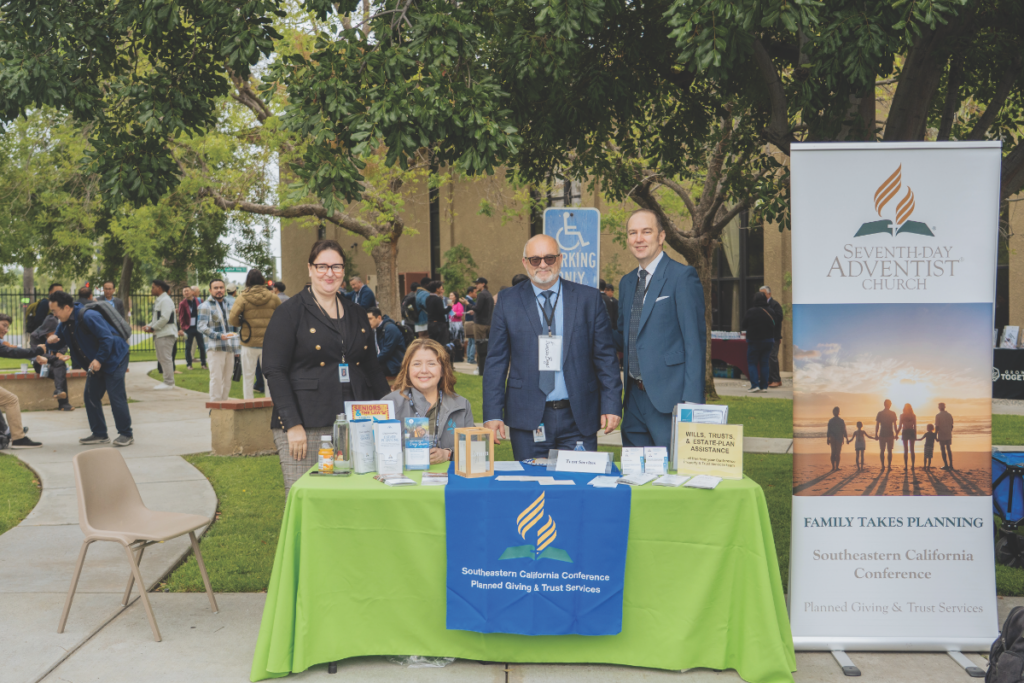
Service also means protection and connection. This includes risk management and insurance safeguarding our congregations, and our communication and media department ensuring our conference remains informed and unified.
Equally essential is the steady, behind-the-scenes dedication of our IT department keeping our digital infrastructure secure and our general services team maintaining our daily facilities. Together, these departments handle the countless administrative responsibilities required to keep operations moving forward.
Of course, none of these ministries could function without the tireless dedication of our various conference committees. Conference administrators, alongside committed lay members from across our congregations, spend countless hours reviewing, discussing, and voting on important agendas. It is through these collaborative, prayerful decisions that we are able to effectively guide our resources and make a lasting difference in our ministry throughout the SECC.
One way we are continuing to put this commitment to service into practice is through the Center for Discipleship and Evangelism (CDE), which seeks to empower and equip pastors and churches to serve their communities.
Community outreach can sometimes feel like the last thing on a church’s agenda because there are already so many needs within the church itself. Yet if the church stops reaching its community in tangible ways, it risks losing sight of both growth and the mission Christ has given us.
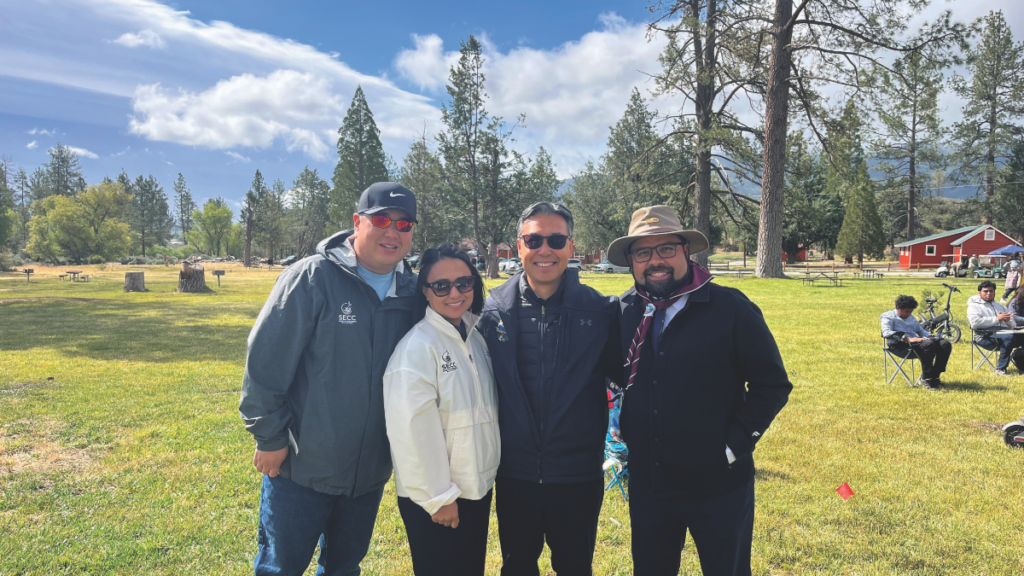
Our community track begins by supporting pastors and lay leaders so they have the capacity and resources to engage their communities well. That means first doing the internal and structural work of identifying what may need to be adjusted or trimmed so the church can shift more intentionally toward mission. Second, it means helping pastors see themselves not only as pastors of their congregations but also as pastors to their cities, making the needs of the community a missional priority.
Third, the goal is not to place more responsibility on people who are already doing so much. Instead, it is an invitation to serve alongside the community by addressing real needs together. In this way, outreach becomes relational rather than transactional. Community members have an opportunity to experience God’s goodness alongside church leaders before ever stepping foot inside the church.
This year, four pastors and four churches are participating in a pilot of the program, with another four being lined up for next year. That will create a team of eight pastors and churches who can help support others who would like to go through the program in the future.
As our conference continues to grow and change, I hope we never lose sight of why these systems, programs, and ministries exist. They are tools to help people serve people.
Jesus reminded His disciples that greatness in His kingdom looks different from greatness in the world. It is found in service. My prayer is that this spirit continues to shape every level of ministry across Southeastern California Conference—from the conference office to our schools, from our pastors to our congregations, and from our churches into the communities God has called us to reach.
We are here to serve one another so that, together, we can better serve our neighbors through Christ’s method.
Three Miles From Home: Sharon Gilmore’s Journey Into Adventism
For eight years, Sharon Gilmore lived three miles away from Mt. Rubidoux church.However, she had never attended a Sabbath service or known much about the Adventist faith.



Raised in the Church of God in Christ faith tradition, Gilmore was no stranger to Christianity. While working as a regional manager for CarePortal, she met Pastor Nyslie Gurrier at a community event. The two connected, and Pastor Nyslie invited her to speak at Mt. Rubidoux about foster care during a Sabbath service. This marked Gilmore’s first time ever being in an Adventist church. “I remember opening up by saying, ‘Wow, this feels like home,’” she said.
Gilmore spends the end of each year seeking God through fasting and prayer. During this time, she and her husband were also going through a storm in their marriage. “The Lord said to me, ‘That’s the place you and your whole family are going to serve and find community, and you are going to lead,’” said Gilmore. She had only been to Mt. Rubidoux once, so she asked God for confirmation. Two days later, Pastor Nyslie called her to check in, letting her know that they missed her and loved her spirit. A call back from a church was something she had never experienced.
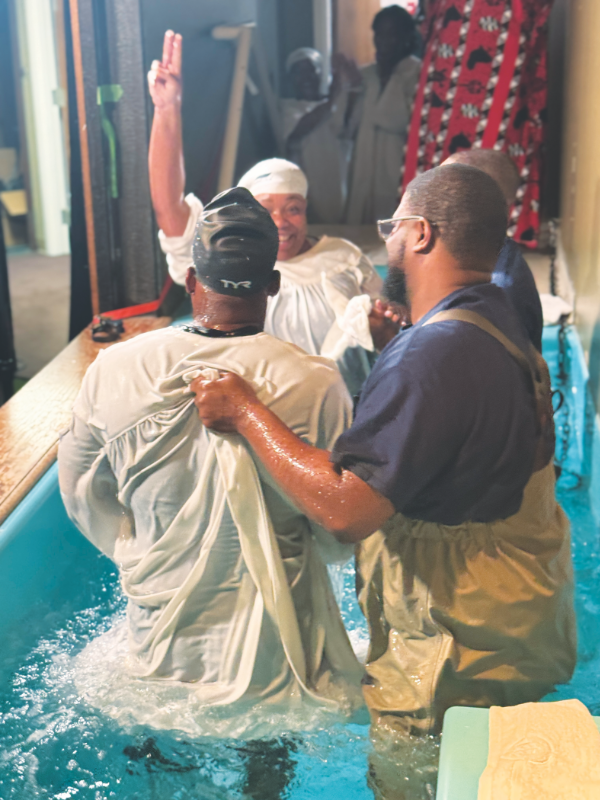
Gilmore started attending Mt. Rubidoux with her daughters, and they fell in love with the church. Not long after, her husband started attending with them. They sought therapy and marriage counseling, which eventually led them to renew their vows at Mt. Rubidoux. When planning the renewal, her husband wanted the family to be baptized before the service. They were baptized on February 15, 2025, and renewed their vows the next week.
Today, Sharon Gilmore is the women’s ministry leader for Mt. Rubidoux. Her husband is a deacon, and her daughter found community in the choir. Since Sharon became an Adventist, God has worked in her life through the health message, allowing her to learn a new level of rest she had never known. Her favorite Scriptures include Jeremiah 29:11 and Romans 8:28. “I did believe God was going to work it together. Those two Scriptures really governed my life,” she said. What began as a simple invitation to speak at a church became a testament to how God was able to heal her family and guide her to a new chapter of faith.
By Ysa Dennis
kids konnect

Noticing Someone in Need
Derek had a monumental task placed in front of him that he just couldn’t quite figure out on his own. Before the school bell had rung, his teacher had assigned his fourth-grade class a community service project. Community service? Derek wasn’t even sure where to begin.
All week, he searched for a big idea. Maybe he could raise money, organize a neighborhood cleanup, or collect hundreds of cans of food. But everything seemed too complicated.
Then one afternoon, Derek noticed his elderly neighbor struggling to carry groceries from her car. Without thinking, he ran across the street and picked up two bags.
“Thank you,” she said with a smile. “You were a big help.”
As Derek walked home, he remembered something he had learned at church: Jesus served people wherever He went.
Maybe serving others didn’t always require a big project. Sometimes showing God’s love was as simple as noticing someone in need and choosing to help.
Suddenly, Derek knew exactly what his project would be.
By Taji Saleem