

When I was 10 years old, our small front yard was a field of dreams, where my dad played catch with me until it got too dark to see the ball. Seventy years later, the memories are still vivid.
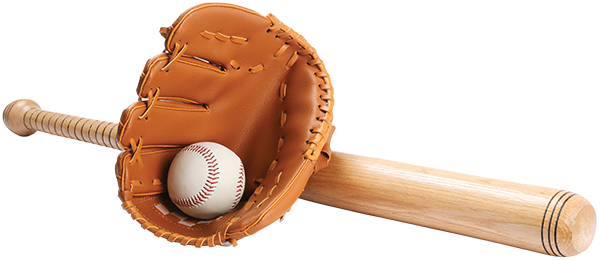
My two older brothers would rather not play catch with their younger, skinnier, pestier sibling. But Dad never said no when I came asking almost every day in spring. He saw me brandishing my brand-new Rawlings glove with that fresh leathery smell, the glove that I had mowed enough lawns to afford, and he got up from his wingback chair, put down his pipe and his Los Angeles Times, and grabbed his rumpled glove.
It would be easy for me to idealize those times. But I’m not forgetting that we practiced diving under our desks then, actually believing we could survive World War III that way. When baseball season came around, however, hope once again sprang eternal, and not even civil defense drills or the dark prophecies about the odious King of the North could intrude on our dreams for baseball season. In Southern California in those halcyon days, there were butterflies everywhere, I went barefoot on the sunbaked sidewalks, and the blue skies above the palm trees were not cloudy (or smoggy) all day.
Playing catch with my dad, I did not think of his ever being an athlete. It did not occur to me that an old photo of him serving a tennis ball hinted at real prowess. In tossing up the ball on his serve, he got great extension, which assured a ball strike at the highest point. Later in life, I played a lot of tennis, but I was never that photogenic. It surprises me now, all these years later, how reliably Dad caught my throws and how accurately he returned them. I have come to realize there were plenty of things I did not appreciate about him. I never complimented him on anything.
Dad and I were huge fans of the Brooklyn Dodgers and rooted for them to avenge their many painful World Series losses to the New York Yankees. Dad read every night until his eyes watered, and he put me onto sportswriter John R. Tunis, who wrote wonderful novels about the Dodgers. I read his books over and over, until the spines collapsed, beginning with the first one in his series, The Kid from Tomkinsville. I was in good company reading that book. Philip Roth and Bernard Malamud were great novelists who both drew on “the kid” for their writings.
The year I turned 10 years old, Sandy Koufax came to the Dodgers without playing a day in the minor leagues. He was even more promising than the kid from Tomkinsville. Koufax was a lefty with miraculous stuff, but he could not throw the ball over the plate. He was so wild that he ranked below Tommy Lasorda on the pitching roster, and that was low. I was in academy before he went on one of the greatest streaks of any pitcher in history. In a five-year run, he won three Cy Young Awards and threw four no-hitters, including one perfect game. His fast ball was a 100-mile-per-hour bone-chilling blur, and his curve ball looked as if it had dropped off the table.
It was not his pitching, however, that finally dazzled me the most. It was the day he refused to pitch. In 1965, he would not pitch the opening game of the World Series because it fell on Yom Kippur, the highest, holiest day on the Jewish calendar. As a devout Jew, it was the one day he would not pitch. He became an icon in the Jewish community for the stand he took, and I can think of two non-Jews who were inspired by him too. For me as an Adventist, Yom Kippur was the Day of Atonement, an eerie, remote, and mysterious day that I learned about from the Old Testament. But it was a baseball player that my dad and I admired who made that highest of holy days real to us.
Dad was not a Seventh-day Adventist—the only one in our seven-member family who was non-Adventist. He attended the Congregational Church, off and on. My mother had become an Adventist two years after marrying him. According to Mom, her conversion had been hard on my dad initially, but by the time I came along, he had made peace with a houseful of Seventh-day Adventists. When he picked us up at the Adventist school or, occasionally, showed up for a potluck lunch at church, he seemed to fit right in. People took to my dad as a warm, affable man who rid the world of strangers. The Adventists who met him said he looked like a pastor they all knew. For my dad’s part, he was relieved that the Adventists did not come across as oddballs dressed in Amish attire. I liked the way he fit right in with them, charming and making them laugh, and when we pulled him toward the car before they had to lock up the church, “Jack” and the Adventists were friends.
As a Congregationalist, Dad found Adventist Sabbath observance somewhat foreign. Every Sabbath was a sacred day, all day long, for the rest of us. Mom put us onto the sunset calendar in the Recorder, and I fretted over whether the sunset times were rendered inaccurate by the mountain behind our house, which hid the sun from us a little earlier. When was the sun fully down? Could kids in the Valley play ball later Friday afternoon than I could because their ground was flat? Laying aside such metaphysical concerns, it was Friday afternoons when I was the one, not Dad, who ended playing catch and headed into the house.
Like many boys my age, I was delusional about my ability to play baseball. I mistook passion for talent and quietly daydreamed that I might be good enough to play in the major leagues. But Danny Goldstein, our neighbor across the street who watched me playing catch with my dad, one day said, “You throw funny.” I was utterly puzzled. “What do you mean?” I asked weakly. “You just throw funny,” he repeated. I doubt that I easily brushed off Goldstein’s critique since it still comes to mind a lifetime later. I never saw myself on film. We could not have imagined, around our house, owning a film camera then. But thinking back on it, I am sure I did not extend my arm throwing a baseball anywhere close to how my dad did serving a tennis ball. I nonetheless fantasized about being such a great pitcher—a right-handed Sandy Koufax—that a team would allow me to not pitch on Sabbaths. I must have known I was slightly crazed thinking this, because I never said it out loud to anyone.
Growing up with a non-Adventist father, I hoped—and prayed—he would convert to Adventism. But looking back on my childhood later in life, I came to realize a non-Adventist father was an advantage too. I am quite sure it broadened my outlook on people who were different from me, and it encouraged in me an empathy for others where I might have been more judgmental. When I encountered “the other”—from different religions, or backgrounds, or points of view—I invariably saw in their faces my dad’s face. I forever prayed that my dad would quit smoking a pipe, but it was about as easy for him as it was for Mark Twain, who quit “thousands of times.” I had to admit later that I never thought of smoking as a health hazard for Dad but as a sin that would keep him out of heaven. There were things about him, however, that I would not change for the world. In academy, when I wondered about becoming a minister, he brought me two books of sermons by great 19th-century preachers—Phillips Brooks and Charles Spurgeon—who preached with a literary elegance that enthralled me. Dad liked that I practiced temperance orations around the house, and he put me in touch with a member of the Toastmaster’s Club, who coached me in his living room.
Another way he lent his support was to figure a way I could listen to Dodger games that were played on Sabbath. We hooked up one of those big, spool-to-spool tape recorders next to a radio in an upstairs bedroom and taped the game. What I remember most about listening to those games after sundown was Vin Scully’s voice. “Vinnie” was a marvel, transforming a sport into a literary event. A walking thesaurus, who scarcely ever used the same verb twice, he was a compendium of great poems in the English language as well. His rich, lyrical descriptions turned the prose of sport into poetry. In writing a novel, John Tunis could take an hour to write a sentence; Scully had only seconds to do it. After sundown Saturday night, I noticed how often Dad and I sat side by side listening to Vin Scully on tape, as much Scully fans as Dodger fans.
The most memorable thing Dad did for me was done quietly, behind the scenes, which I would not have known about had my mother not told me. I had always wanted to play Little League and Babe Ruth League baseball. They were the organized games in town that no one in the family could join because of Saturday play. Dad saw me moping about this around the house, and he did something entirely unexpected. Without an ounce of political savvy, he got elected president of the Little League. He then, with a sweep of the pen, ruled against any Saturday games. When I outgrew Little League, Dad got himself elected president of Babe Ruth League and imposed the same “Butler Rule” of no Saturday games. I cannot think of anything that would have meant more to me at that time in my life. And a Seventh-day Adventist son had his Sunday-keeping father to thank.
Between ages 10 to 15, in league play, I was mostly a second baseman. With my mediocre throwing arm, I preferred the short throw from second to first base. With reflexes no better than my throws, I liked that the ball was easier to pick up by the time it reached me at second base. I scratched out more hits than I probably deserved based on sheer desire. Desire was my talent. And I made the All-Star team every year I played. However, without any regrets, I never played in an All-Star game because they always fell on Sabbath. Dad had no control over that. Rather than play in an All-Star game though, I wanted, in the worst way, to be a power hitter for just one day and hit a home run for my dad. But in all my years in baseball, that never happened.

Years later I was in Beirut, Lebanon, for a college year abroad. My mother wrote to tell me that Dad was going to be baptized in our home church. She was thrilled and reported that he could not have taken the whole experience more seriously. He had studiously read the Bible in a way he had not done before. He read Ellen White with great interest too, and he asked thoughtful questions about her ministry. He spent long hours with the pastor and listened intently to his counsel. He told Mom that he had never felt closer to his family—and to her—than he did right then. Mom chose to be rebaptized alongside him on that miracle of a day. I was too moved by the letter to reread it a second time. I left my dorm room and walked to the edge of the campus, where I could look out on the magnificence of the Mediterranean Sea. I thought of my parents glistening in their wet baptismal robes, and the tears streamed. I wished I could have been there for Dad’s home run.
_____________________________
Jonathan M. Butler is a prominent American historian of religion, specializing in Seventh-day Adventist history and the Millerite movement.
El jonrón de mi padre
Por Jonathan Butler
Cuando tenía 10 años, el pequeño jardín delantero de nuestra casa era un campo de sueños, donde mi padre jugaba a lanzarme la pelota hasta que oscurecía tanto que ya no podíamos verla. Setenta años después, los recuerdos siguen siendo vívidos.
Mis dos hermanos mayores preferían no jugar con su hermano menor, más flaco y fastidioso. Pero mi padre nunca me decía que no cuando yo iba a buscarlo casi todos los días en primavera. Me veía agitando mi nuevo guante Rawlings, con ese olor fresco a cuero nuevo, el guante que había comprado podando suficientes pastos para poder pagarlo. Se levantaba de su sillón, dejaba a un lado su pipa y el Los Angeles Times, y tomaba su viejo arrugado guante.
Sería fácil idealizar aquellos tiempos. Pero no olvido que también practicábamos cómo lanzarnos debajo de nuestros pupitres, creyendo de verdad que así sobreviviríamos a una Tercera Guerra Mundial. Sin embargo, cuando comenzaba la temporada de béisbol, la esperanza volvía a renacer. Ni los simulacros de defensa civil ni las oscuras profecías sobre el odioso Rey del Norte podían entrometerse en nuestros sueños de esa temporada. En aquellos días felices del sur de California había mariposas por todas partes; yo caminaba descalzo sobre las aceras calentadas por el sol, y el cielo azul sobre las palmeras no estaba cubierto de nubes —ni de smog— todo el día.
Cuando jugaba a la pelota con mi padre, nunca pensé en él como un atleta. No se me ocurría que una vieja fotografía suya sacando en un partido de tenis revelara verdadera habilidad. Al lanzar la pelota hacia arriba para sacar, lograba una gran extensión del brazo, lo que le permitía golpearla en el punto más alto. Más adelante jugué mucho tenis, pero jamás fui tan fotogénico. Ahora me sorprende, tantos años después, cuán confiablemente atrapaba mis lanzamientos y con qué precisión me devolvía la pelota. He llegado a comprender que hubo muchas cosas de él que nunca aprecié. Nunca le hice un cumplido por nada.
Papá y yo éramos fanáticos de los Dodgers de Brooklyn y queríamos que vengaran sus dolorosas derrotas en las Series Mundiales contra los Yankees de Nueva York. Mi padre leía todas las noches hasta que le lloraban los ojos. Fue él quien me introdujo a John R. Tunis, el periodista deportivo que escribió maravillosas novelas sobre los Dodgers. Leí sus libros una y otra vez hasta que su portadas se deshicieron, comenzando por The Kid from Tomkinsville. Estaba en buena compañía leyendo ese libro. Philip Roth y Bernard Malamud, grandes novelistas, también se inspiraron en “el chico” para sus propias obras.
Cuando cumplí diez años, Sandy Koufax llegó a los Dodgers sin haber jugado ni un solo día en las ligas menores. Era incluso más prometedor que el chico de Tomkinsville. Koufax era zurdo y hacía lanzamientos milagrosos, pero no podía tirar la pelota sobre el plato. Era tan descontrolado que estaba por debajo de Tommy Lasorda en la rotación de lanzadores, y eso era decir mucho. Yo ya estaba en la academia cuando comenzó una de las rachas más extraordinarias de cualquier pitcher en la historia. En cinco años ganó tres premios Cy Young y lanzó cuatro juegos sin hit ni carrera, incluyendo un juego perfecto. Su recta era un borrón escalofriante de cien millas por hora, y su curva parecía caer de la mesa.
Sin embargo, no fue su manera de lanzar lo que más terminó deslumbrándome. Fue el día en que se negó a lanzar. En 1965 rechazó abrir la Serie Mundial porque el juego coincidía con Yom Kippur, el día más santo del calendario judío. Como judío devoto, era el único día en que no lanzaría. Se convirtió en un ícono para la comunidad judía por la posición que tomó, y puedo pensar en dos no judíos que también se sintieron inspirados por él. Para mí, como adventista, Yom Kippur era el Día de la Expiación, un día remoto, misterioso y casi inquietante que conocía por el Antiguo Testamento. Pero fue un jugador de béisbol, admirado por mi padre y por mí, quien volvió real para nosotros aquel día santísimo.
Mi padre no era adventista del séptimo día —el único no adventista en nuestra familia de siete miembros. Asistía, de vez en cuando, a la Iglesia Congregacional. Mi madre se había hecho adventista dos años después de que se casaron. Según ella, su conversión había sido difícil para mi padre al principio, pero cuando yo nací ya había hecho las paces con una casa llena de adventistas. Cuando nos recogía en la escuela adventista o aparecía ocasionalmente en un almuerzo de iglesia, parecía encajar perfectamente. La gente veía en él a un hombre cálido y afable, incapaz de tratar a nadie como extraño. Los adventistas que lo conocían decían que parecía un pastor. Por su parte, él se sentía aliviado de descubrir que los adventistas no eran personas extrañas vestidas como amish. A mí me gustaba verlo mezclarse con ellos, encantándolos y haciéndolos reír. Cuando finalmente lo arrastrábamos hacia el automóvil antes de que cerraran la iglesia, “Jack” y los adventistas ya eran amigos.
Como congregacionalista, mi padre encontraba algo extraño en la manera adventista de guardar el sábado. Para el resto de nosotros, cada sábado era sagrado, durante todo el día. Mamá nos hacía seguir el calendario de puesta del sol del Recorder, y yo me preocupaba pensando si la montaña detrás de nuestra casa hacía que el sol desapareciera un poco antes para nosotros. ¿Cuándo se ponía realmente el sol? ¿Podían los niños del valle jugar más tarde los viernes por la tarde porque vivían en terreno plano? Dejando a un lado esas preocupaciones metafísicas, era yo —y no mi padre— quien terminaba el juego de pelota los viernes por la tarde y entraba a la casa.
Como muchos muchachos de mi edad, yo estaba completamente engañado respecto a mi habilidad para jugar béisbol. Confundía pasión con talento y soñaba en silencio con llegar a las Grandes Ligas. Pero Danny Goldstein, nuestro vecino de enfrente, que me veía jugar con mi padre, un día me dijo: “Tiras raro.” Me quedé desconcertado. “¿Qué quieres decir?” “Simplemente tiras raro” —repitió.
Dudo mucho haber olvidado fácilmente esa crítica, porque todavía la recuerdo toda una vida después. Nunca me vi en un film. En nuestra casa ni siquiera podíamos imaginar tener una cámara de cine. Pero reflexionando, estoy seguro de que al lanzar jamás extendía el brazo como mi padre al sacar en tenis. Aun así, fantaseaba con ser un gran pitcher —un Sandy Koufax derecho— tan bueno que un equipo me permitiría no lanzar en sábado. Debía saber que aquella idea era un poco delirante, porque nunca se la dije a nadie.
Al crecer con un padre no adventista, yo esperaba —y oraba— que algún día se hiciera adventista. Pero al reflexionar comprendí que tener un padre no adventista también había sido una ventaja. Estoy seguro de que amplió mi visión de las personas diferentes a mí y fomentó en mí una empatía que quizá de otra manera no habría tenido. Cuando conocía “a otro” —personas de distintas religiones, trasfondos o ideas— siempre veía en sus rostros el rostro de mi padre. Oré durante años para que dejara la pipa, pero le resultaba tan difícil como a Mark Twain, quien decía haber dejado de fumar “miles de veces”. Más adelante tuve que admitir que nunca pensé en el tabaco como un peligro para su salud, sino como un pecado que podría impedirle entrar al cielo. Pero había cosas de él que jamás habría querido cambiar. Cuando estaba en la academia pensé en llegar a ser pastor, me regaló dos libros de sermones de grandes predicadores del siglo XIX —Phillips Brooks y Charles Spurgeon— cuya elegancia literaria me fascinó. Le gustaba escucharme practicar discursos sobre temperancia en la casa y me puso en contacto con un miembro de Toastmasters que me entrenaba en su sala.
Otra manera en que me apoyó fue encontrar la forma de que pudiera escuchar los juegos de los Dodgers jugados en sábado. Conectábamos una de aquellas enormes grabadoras de carrete junto a una radio en un dormitorio del segundo piso y grabábamos el partido. Lo que más recuerdo de escuchar esos juegos después de la puesta del sol era la voz de Vin Scully. “Vinnie” era un prodigio, capaz de transformar un deporte en un acontecimiento literario. Era un diccionario en vida y rara vez repetía un verbo. También era un compendio viviente de gran poesía inglesa. Sus descripciones convertían la prosa deportiva en poesía. Al escribir una novela, John Tunis podía tomarse una hora para escribir unas líneas; Scully solo tenía segundos. Después del atardecer del sábado, notaba cuántas veces mi padre y yo nos sentábamos escuchando las grabaciones: tan admiradores de Scully como de los Dodgers.
Lo más memorable que mi padre hizo por mí ocurrió silenciosamente, detrás de escena, y jamás lo habría sabido si mi madre no me lo hubiera contado. Siempre había querido jugar en la Little League y en la Babe Ruth League. Eran las ligas organizadas de la ciudad, inaccesibles para nuestra familia por los partidos de sábado. Mi padre me veía triste por eso y decidió hacer algo totalmente inesperado. Sin ninguna habilidad política, terminó siendo elegido presidente de la Little League. Entonces, de un plumazo, eliminó todos los juegos de sábado. Cuando crecí y pasé a la Babe Ruth League, volvió a hacerse elegir presidente e impuso la misma “Regla Butler”: nada de partidos en sábado. No puedo imaginar algo que hubiera significado más para mí en aquella etapa de mi vida. Un hijo adventista tenía que agradecerle a su padre observador del domingo.
Entre los diez y los quince años jugué principalmente como segunda base. Con mi mediocre brazo para lanzar, prefería el tiro corto de segunda a primera. Con reflejos apenas mejores que mis lanzamientos, agradecía que la pelota llegara más despacio hasta mí. Conseguí más hits de los que probablemente merecía simplemente por desearlo. El deseo era mi talento. Formé parte del equipo de estrellas todos los años que jugué. Sin embargo, y sin resentimientos, jamás jugué un partido de estrellas porque siempre caían en sábado. Sobre eso mi padre no tenía control. Pero más que jugar un partido de estrellas, lo que yo realmente quería era ser un potente bateador aunque fuese tan solo por un solo día y conectar un jonrón para mi padre. Nunca ocurrió.
Años después estaba en Beirut, Líbano, estudiando en un programa universitario en el extranjero, cuando mi madre me escribió para contarme que mi padre iba a bautizarse en nuestra iglesia. Estaba emocionada y me decía que él había tomado todo el proceso con enorme seriedad. Había leído la Biblia cuidadosamente como nunca antes, había leído con interés a Ellen White y hacía preguntas profundas sobre el ministerio de la profeta. Pasaba largas horas con el pastor y escuchaba atentamente sus consejos. Le dijo a mamá que nunca se había sentido tan cerca de su familia —y de ella— como en ese momento. Mi madre decidió rebautizarse con él milagroso aquel día.
La carta me conmovió tanto que ni siquiera pude leerla una segunda vez. Salí del dormitorio y caminé hasta el borde del campus, desde donde podía contemplar la magnificencia del Mediterráneo. Pensé en mis padres brillando bajo sus túnicas mojadas de bautismo, y las lágrimas comenzaron a correr. Hubiera querido estar allí para ver el jonrón de mi padre.
_____________________________
Jonathan M. Butler es un prominente historiador de religión, especializado en la historia de la Iglesia Adventista y el movimiento millerita.