
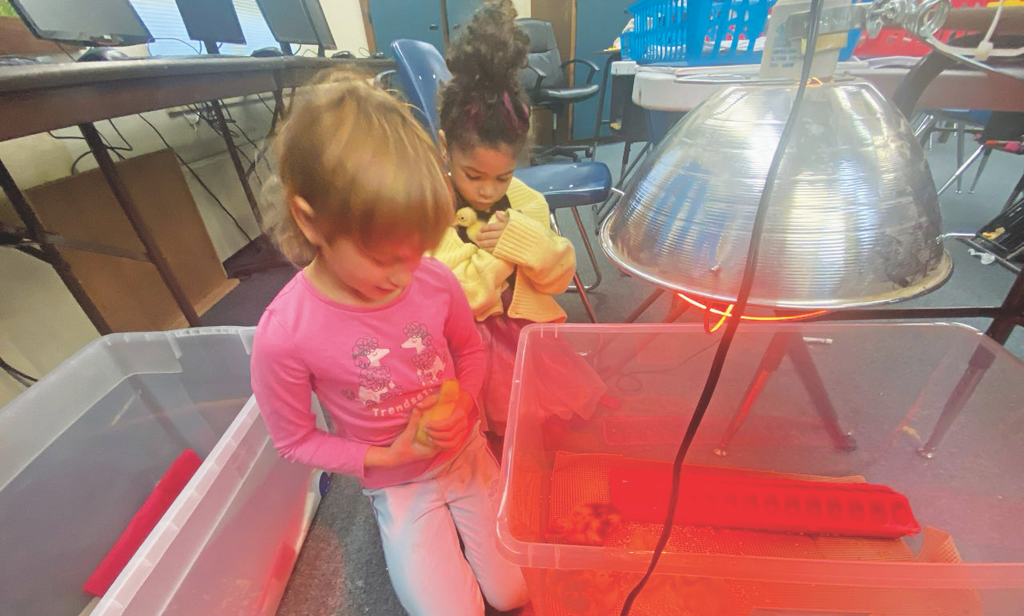
One of my favorite traditions at Crescent City Adventist School begins with something very ordinary: a small incubator sitting in our classroom. I bought it a few years ago, thinking it would be a fun science project for our students. I had no idea it would become one of the experiences they anticipate most each year—one that teaches lessons far beyond science.
For me, this project reflects what Adventist education is all about. We are not simply teaching facts. We are helping students discover God’s creation, develop character, and experience the joy of learning by doing.
After placing the eggs inside the incubator, we spend the next several weeks watching and wondering. Around days five and eleven, we “candle” the eggs by shining a bright light through each shell. The students gather around as tiny veins appear, and a few days later they can see small movements inside. Those moments spark conversations about how God designed life and remind students that even when nothing seems to be happening on the outside, incredible things are taking place beneath the surface.
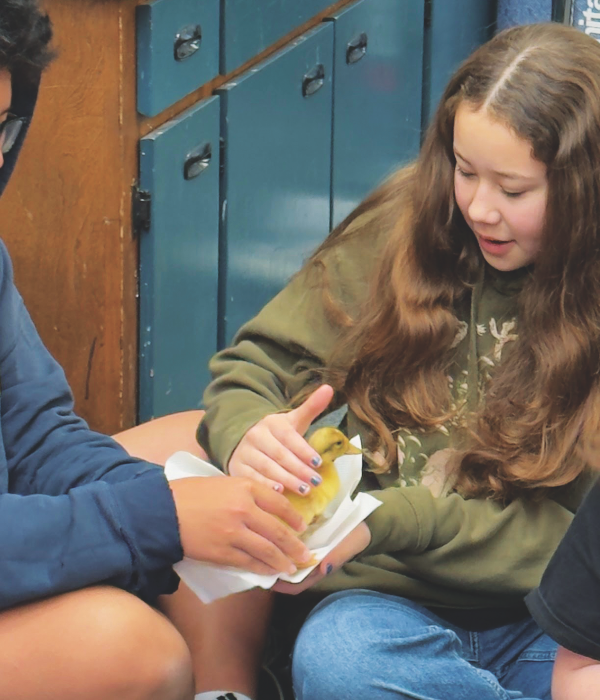
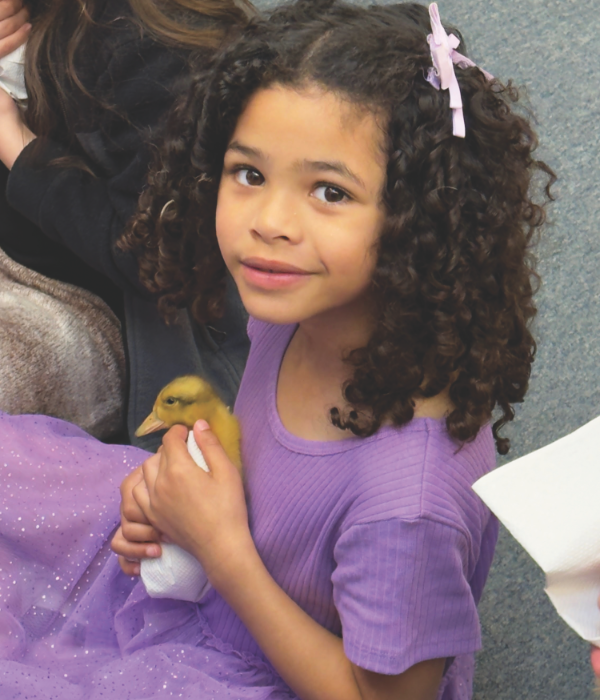
Twenty-eight days later, anticipation turns into celebration. The first tiny cracks appear, and before long our classroom is filled with excited students welcoming new ducklings into the world.
For the next two weeks, the ducklings become part of our classroom family. Students take turns cleaning their habitat, changing the water, feeding them, and gently holding them. As they care for the ducklings each day, they learn responsibility, patience, compassion, and stewardship. They discover that caring for another living thing requires consistency and commitment.
Whenever the weather cooperates, we take the ducklings outside. Students gather bugs, grass, and weeds while observing how the ducklings peck, splash, explore, and stay close together. Every outing becomes another opportunity to ask questions, make discoveries, and marvel at God’s creation.
By the end of the project, my students have learned much more than how a duckling hatches. They have experienced the joy of discovery, the responsibility of caring for another living thing, and the importance of slowing down long enough to notice the incredible world God has made.
For me, that is the heart of Adventist education. We help students grow in knowledge while also growing in character. We build trust by giving them meaningful responsibility, transform learning through hands-on experiences, and cultivate generous hearts that care for God’s creation and for one another.
Sometimes the most meaningful lessons do not come from a textbook. Sometimes they hatch one small crack at a time.
____________________
By Lisa Thompson
Crecer mediante aprendizaje práctico
Una de mis tradiciones favoritas en Crescent City Adventist School comienza con algo muy común: una pequeña incubadora instalada en nuestro salón de clases. La compré hace algunos años pensando que sería un divertido proyecto de ciencias para nuestros estudiantes. No imaginaba que se convertiría en una de las experiencias que esperan con mayor entusiasmo cada año, una experiencia que les enseña lecciones que van mucho más allá de las ciencias.
Para mí, ese proyecto refleja la esencia de la educación adventista. No nos limitamos a enseñar datos. Ayudamos a los estudiantes a descubrir la creación de Dios, desarrollar el carácter y experimentar la alegría de aprender haciendo.
Después de colocar los huevos en la incubadora, pasamos las siguientes semanas observando y preguntándonos qué ocurrirá. Alrededor de los días cinco y once, examinamos los huevos al trasluz, iluminando cada cascarón con una luz brillante. Los estudiantes se reúnen alrededor mientras aparecen diminutas venas y, unos días después, pueden ver pequeños movimientos en el interior. Esos momentos suscitan conversaciones acerca de cómo Dios diseñó la vida y recuerdan a los estudiantes que, aun cuando por fuera parezca que nada está sucediendo, bajo la superficie ocurren cosas extraordinarias.
Veintiocho días después, la expectativa se convierte en celebración. Aparecen las primeras grietas diminutas y, en poco tiempo, nuestro salón se llena de estudiantes entusiasmados que dan la bienvenida al mundo a los nuevos patitos.
Durante las dos semanas siguientes, los patitos pasan a formar parte de la familia de nuestro salón. Los estudiantes se turnan para limpiar su espacio, cambiarles el agua, alimentarlos y sostenerlos con cuidado. Al atenderlos cada día, aprenden responsabilidad, paciencia, compasión y mayordomía. Descubren que cuidar a otro ser vivo requiere constancia y compromiso.
Siempre que el clima lo permite, llevamos los patitos al aire libre. Los estudiantes recogen insectos, hierba y maleza mientras observan cómo los patitos picotean, chapotean, exploran y permanecen juntos. Cada salida se convierte en una nueva oportunidad para hacer preguntas, realizar descubrimientos y maravillarse ante la creación de Dios.
Al finalizar el proyecto, mis estudiantes han aprendido mucho más que la manera en que nace un patito. Han experimentado la alegría del descubrimiento, la responsabilidad de cuidar a otro ser vivo y la importancia de detenerse el tiempo suficiente para contemplar el extraordinario mundo que Dios ha creado.
Para mí, ese es el corazón de la educación adventista. Ayudamos a los estudiantes a crecer en conocimiento y también en carácter. Fomentamos la confianza al confiarles responsabilidades significativas, transformamos el aprendizaje mediante experiencias prácticas y cultivamos corazones generosos que cuidan la creación de Dios y se preocupan unos por otros.
A veces, las lecciones más significativas no provienen de un libro de texto. A veces, nacen una pequeña rajadura a la vez.
____________________
Por Lisa Thompson