
Adventist Pioneers in the West
Education? Why bother with that? We’re going to heaven!” That seems to have been the thinking of many early Adventists as they eagerly expected the imminent return of Jesus. Education was a long-term project, and that didn’t really seem valid anymore. As one example, W.H. Ball wrote in 1862 to James White at the Review and Herald, asking the question, “Bro. White: Is it right and consistent for us who believe with all our hearts in the immediate coming of the Lord, to seek to give our children an education? If so, should we send them to a district or town school, where they learn twice as much evil as good?”
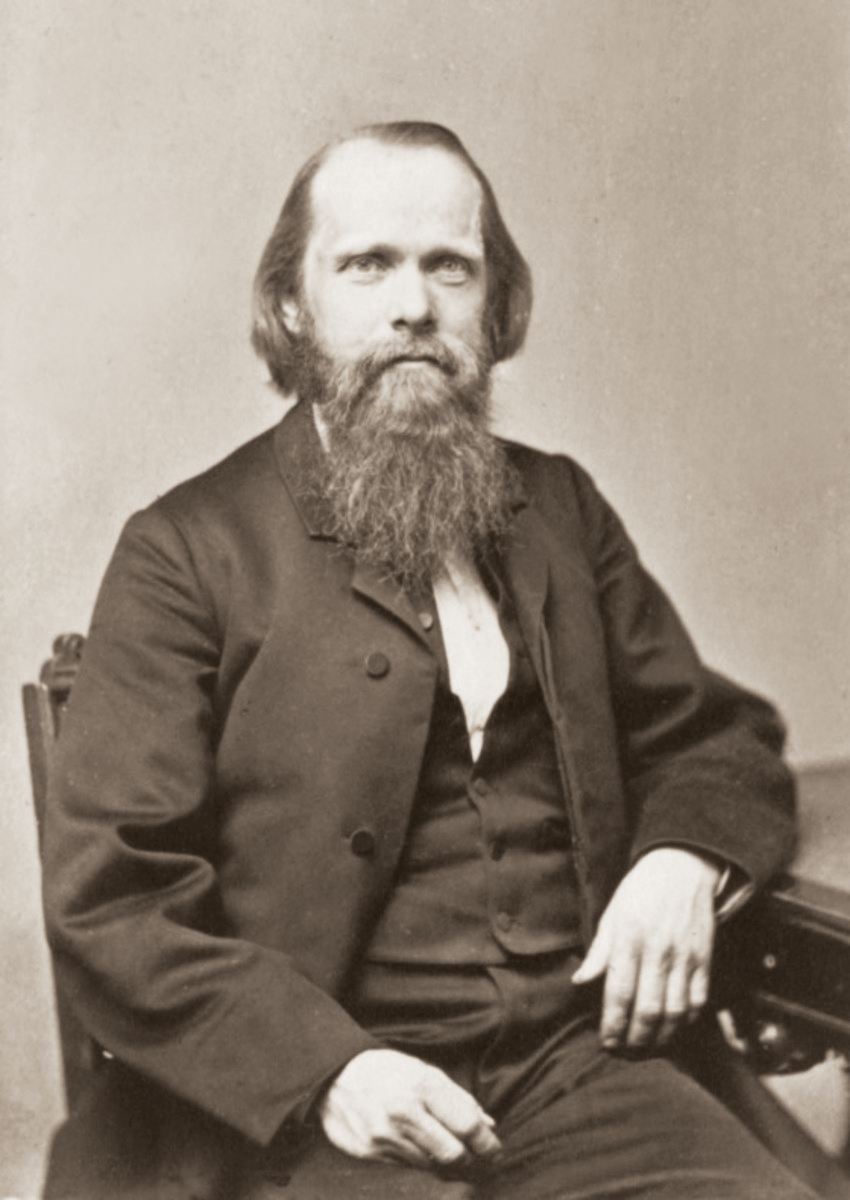
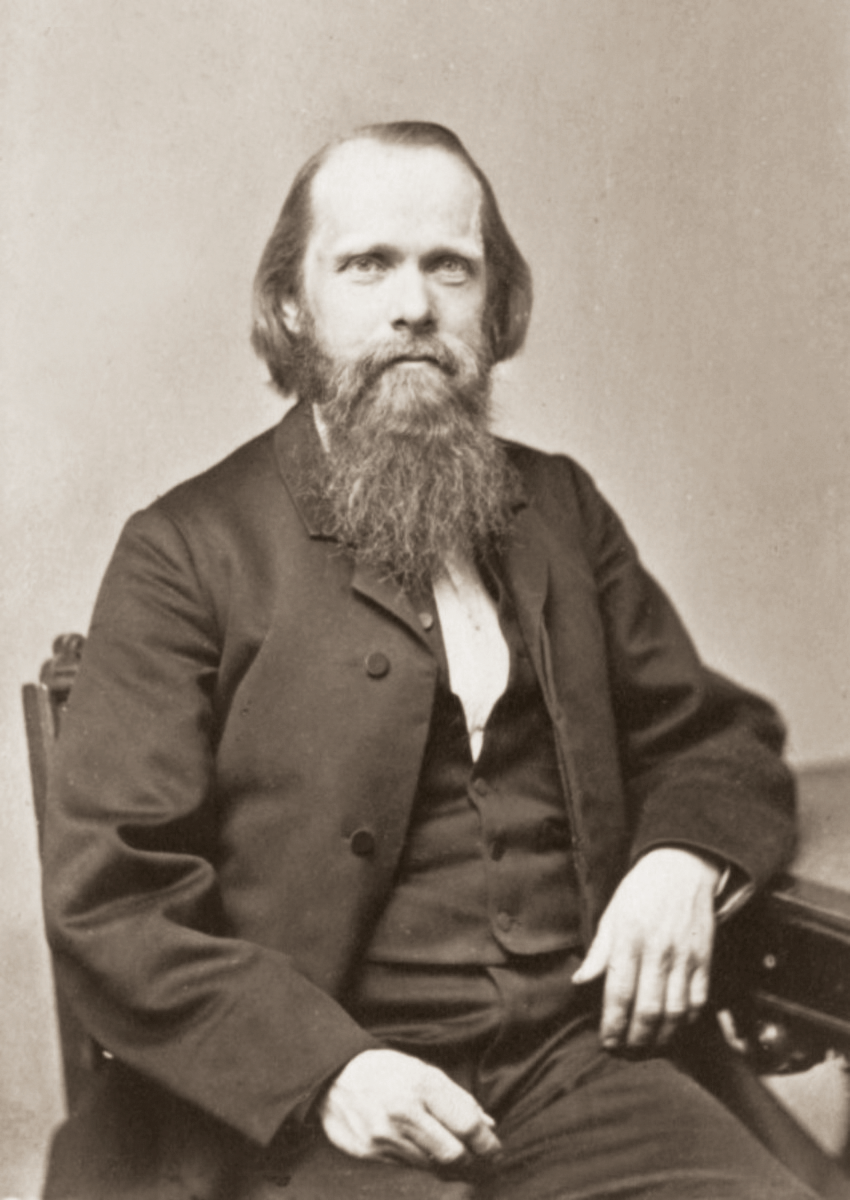
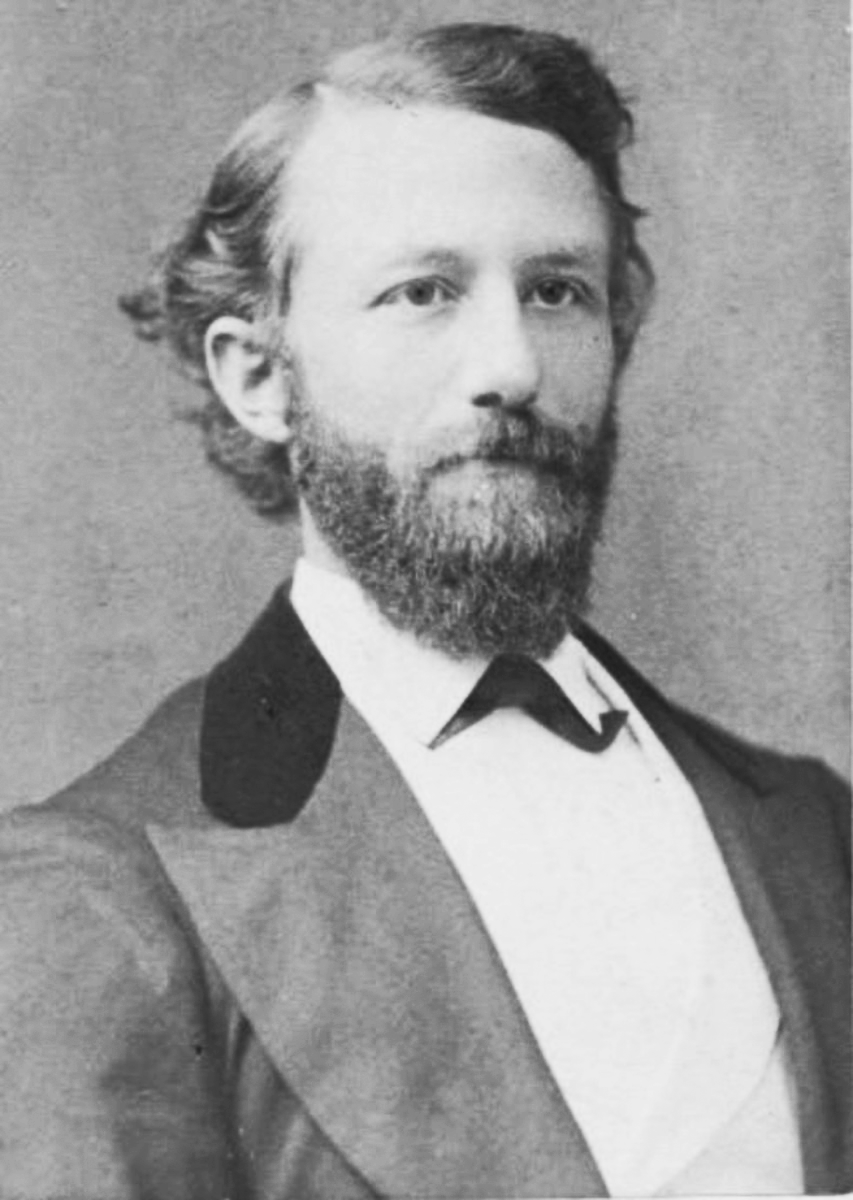
James White replied to the first question, “The fact that Christ is very soon coming is no reason why the mind should not be improved. A well-disciplined and informed mind can best receive and cherish the sublime truths of the Second Advent.”1 In other words, even a strong belief in an imminent return of Christ does not negate the fundamental importance of good education!
White also rejected the idea that a soon second coming meant you should take your children out of school, answering Ball’s second question by stating, “Again, if children’s minds are not elevated and occupied with harmless studies, they may be with things which lead downward to vice. To take children from school, where they would receive some sort of discipline, and let them run in the streets, as some have done, to get a corrupt street education, is but little less than insanity.”2
In fact, White had previously written, “It is a fact that many who profess to be looking for Christ and the judgment, have greatly neglected their duty to their children. Some have thought that because Christ was so soon coming, they need not bestow much labor on their children. This is a grievous error.”3
It was James rather than Ellen White who had taken the lead on the subject. In 1857, he wrote a three-part series of articles on “Sabbath-Keepers’ Children,” recommending home-schooling or the use of a Sabbath-keeping teacher.4 Ellen White did not begin writing on education in the Review until 1871. However, once she did, she provided the philosophical and theological foundations for the expanding denominational education program.
But what has this to do with education in the West? It provides the background to what happened later, particularly in California. In a similar fashion to what had happened in the East, small one-room schools developed as a necessity, without structure or organizational oversight. To help with this, the developing church worked to provide a better arrangement.
Adventist education in the West began in 1882. Healdsburg Academy was started by Sidney Brownsberger with 28 students ages 5 and up. It became Healdsburg College in 1899, and in 1909 it moved to Angwin and was re-named Pacific Union College. This was the way of ensuring an improved methodology for providing education.
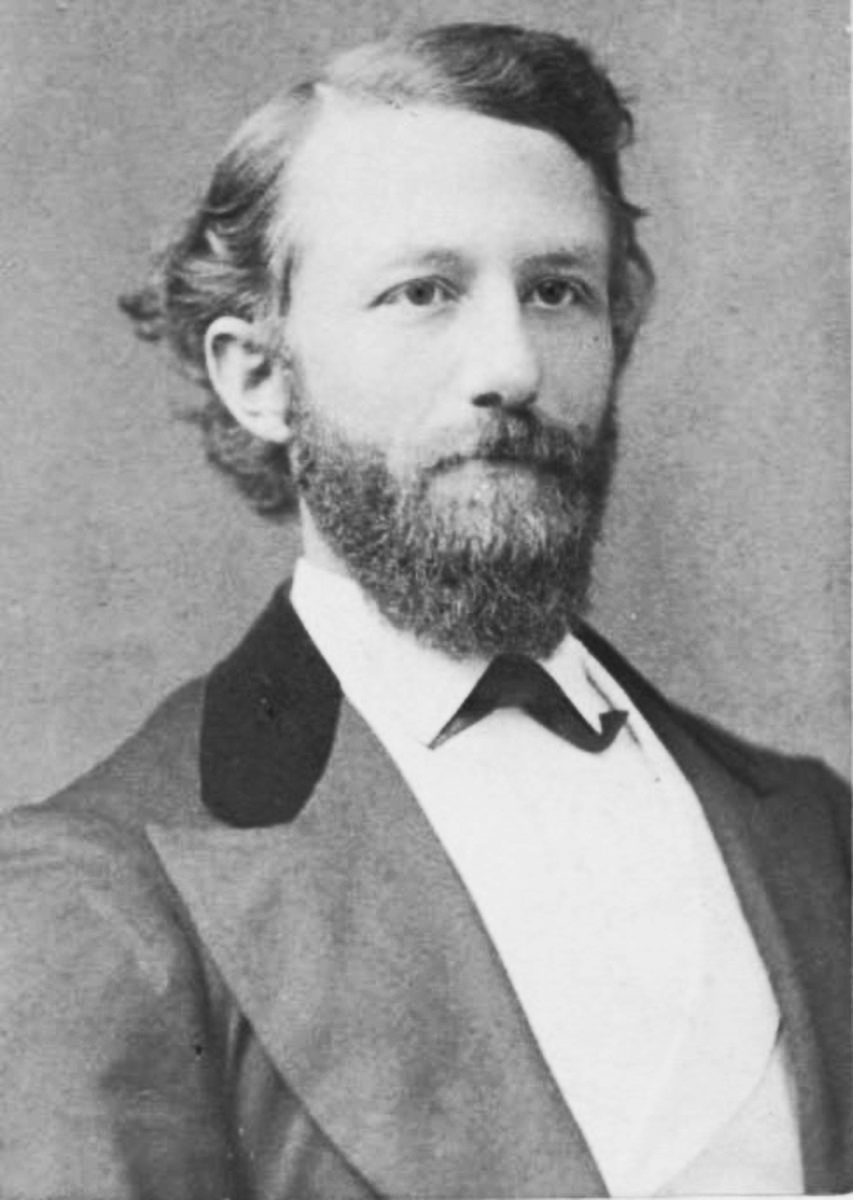
Writing at the time when the Healdsburg school was begun, J.H. Waggoner, editor of the Signs of the Times, advocated in support of the importance of education in denominational work. He commented, “To work without education or culture on the plea that time is short, is as unwise as the calculation of the man who mowed his fields with a dull scythe because he had not time to grind it.”5
The first schools
So, for example, when some of the first elementary schools were begun in California, graduates from Healdsburg were called on to teach—for example Alma McKibbin,6 who taught at the Centralia school, which started in 1896. That same year, another elementary school was opened in San Pasqual, and the spread of elementary schools that developed thereafter in the West is nothing short of amazing. Look at the list:
Oakland (1889), Palama Chinese School in Hawaii (1895), Fresno (1897), Garden Grove (1897), Hilo Chinese Mission School (1897), Los Angeles (1898), Phoenix (1899), Oakland (1899), San Diego (1899), Modesto (1902), Reno (1902), Armona (1904), Glendale (1907), Bethel Grammar School in Hawaii (1914), Alhambra (1933), Calexico Mission School (1938), Navajo Mission School at Holbrook (1946), San Gabriel Union School (1947), and many more.
Then there are more advanced schools, such as Fernando College (1902), Pacific Press Training School, Oakland (1905), Central California Intermediate School, Armona (1906), Northern California Intermediate School, Chico (1907), Fresno Intermediate School (1908), Western Normal Institute, Lodi (1908), Spanish (Latin) American Training School at Phoenix (1920).
And all the academies:
The Honolulu Anglo-Chinese Academy in Hawaii (1897), Arizona Intermediate Academy at Phoenix (1908), Phoenix Academy (1913), Loma Linda Academy (1920), Fresno Union Academy (1921), Hawaiian Mission Academy (1921), Glendale Academy (1921), La Sierra Academy (1922), Mountain View Academy (1922), Golden Gate Academy at Berkeley (1923), Los Angeles Academy (1923), Long Beach Academy (1924), Humboldt Academy (1926), Kern Academy at Shafter (1930), San Diego Academy (1930), Nevada-Utah Academy at Salt Lake City (1936), Modesto Union Academy (1937), Lynwood Academy (1938), Valencia Junior Academy (1944), Sacramento Junior Academy (1948), Newbury Park Academy (1948), Monterey Bay Academy (1949), San Pasqual Academy at Escondido (1949), Thunderbird Academy at Scottsdale (1954), Sacramento Union Academy (1958), San Fernando Union Academy (1960), Orangewood Academy at Garden Grove (1961), Rio Lindo Academy at Healdsburg (1962), Bakersfield Academy (1968), and so on.7
How did this happen? Ciro Sepulveda observed, “In 1897 there were only 43 schools run by the Adventist Church with a total of 2,290 students enrolled. Three years later, in 1900, there were 246 schools and 7,400 students. The increase in schools and students soared. By 1920 there were 1,025 schools and 38,095 students.… During this period, elementary school teachers increased from 52 in 1897 to 250. Almost 200 new teachers appeared in three years, by a church with less than 70,000 members worldwide. What happened? Had the Adventist educational system found a magic tonic that unleashed staggering vitality?”8
He suggested three possible reasons for what he calls “The Spirit of 1897.” First there was the publication of Ellen White’s book, Special Testimonies on Education in 1897, which summarized her extensive views on what she termed “true education.” Then there was a reform of Battle Creek College in 1897, with a new administration embracing some of Ellen White’s ideas. At the same time there was also the work of Edson White on the boat Morning Star in the South that promoted the development of local schools.
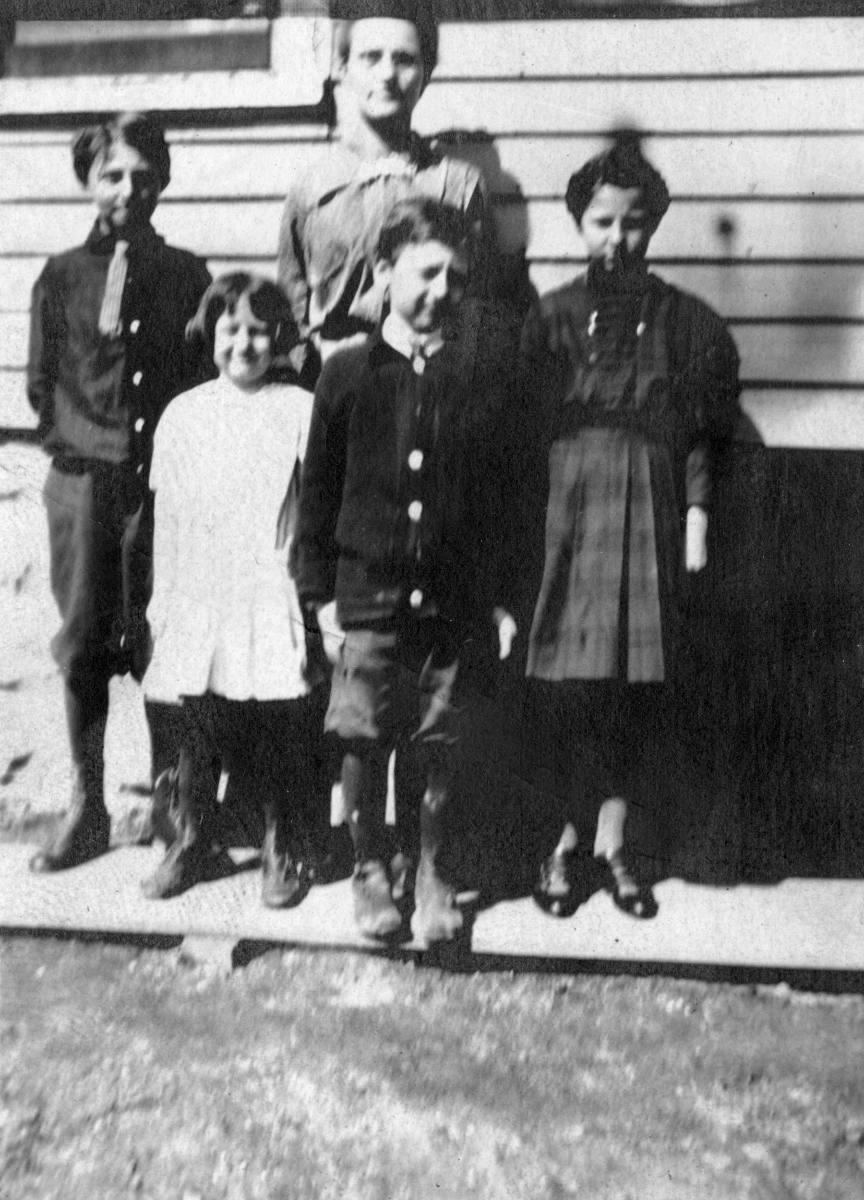
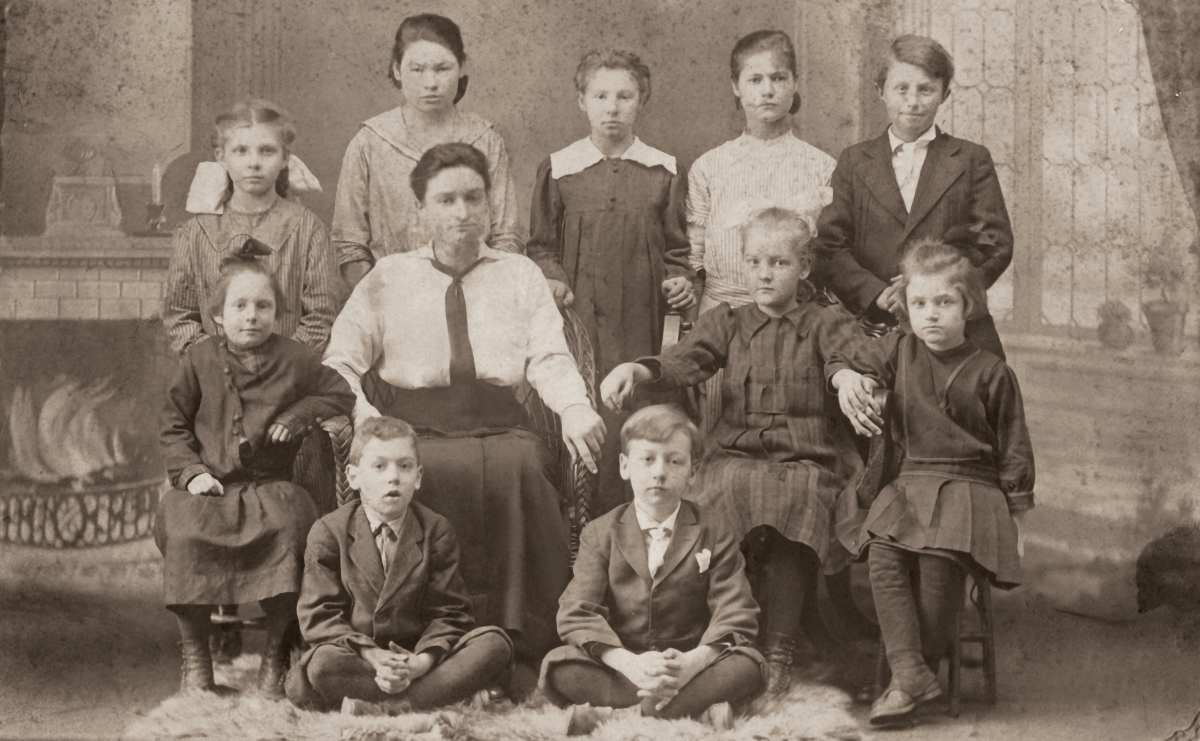
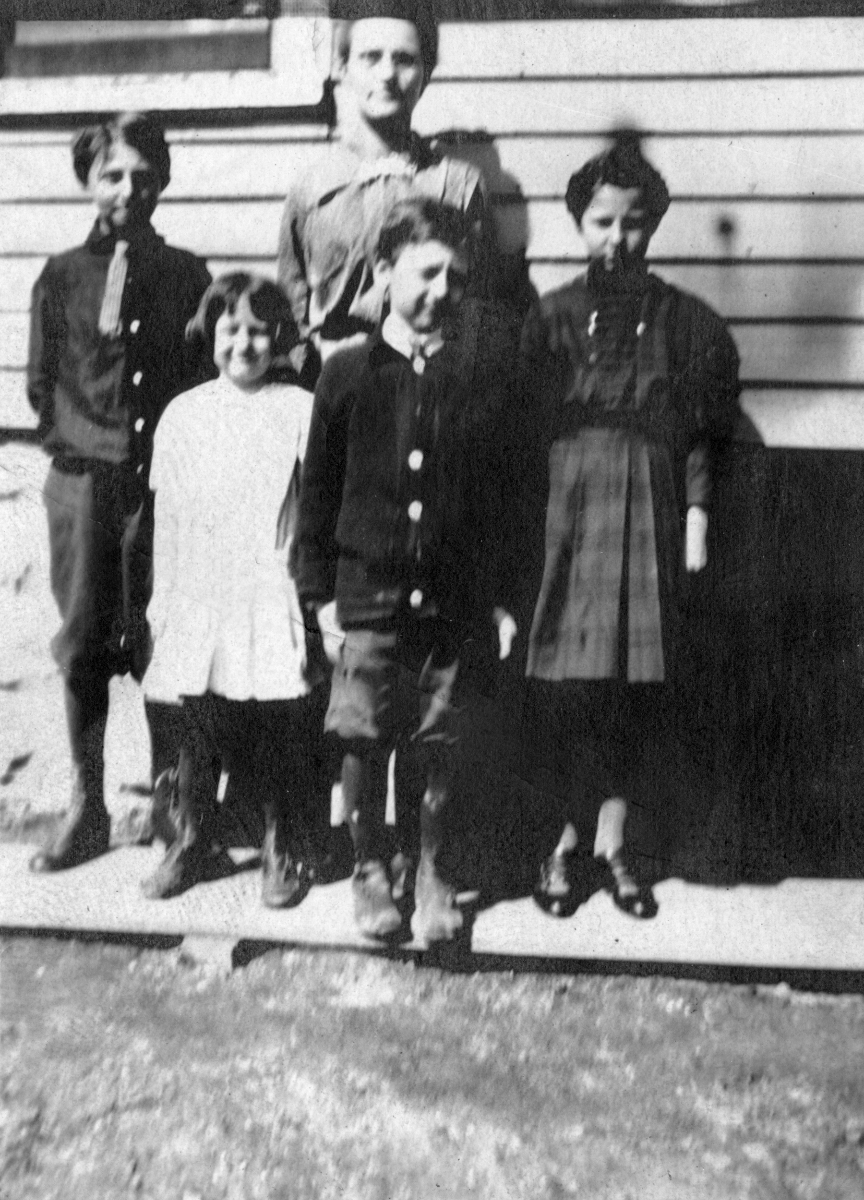
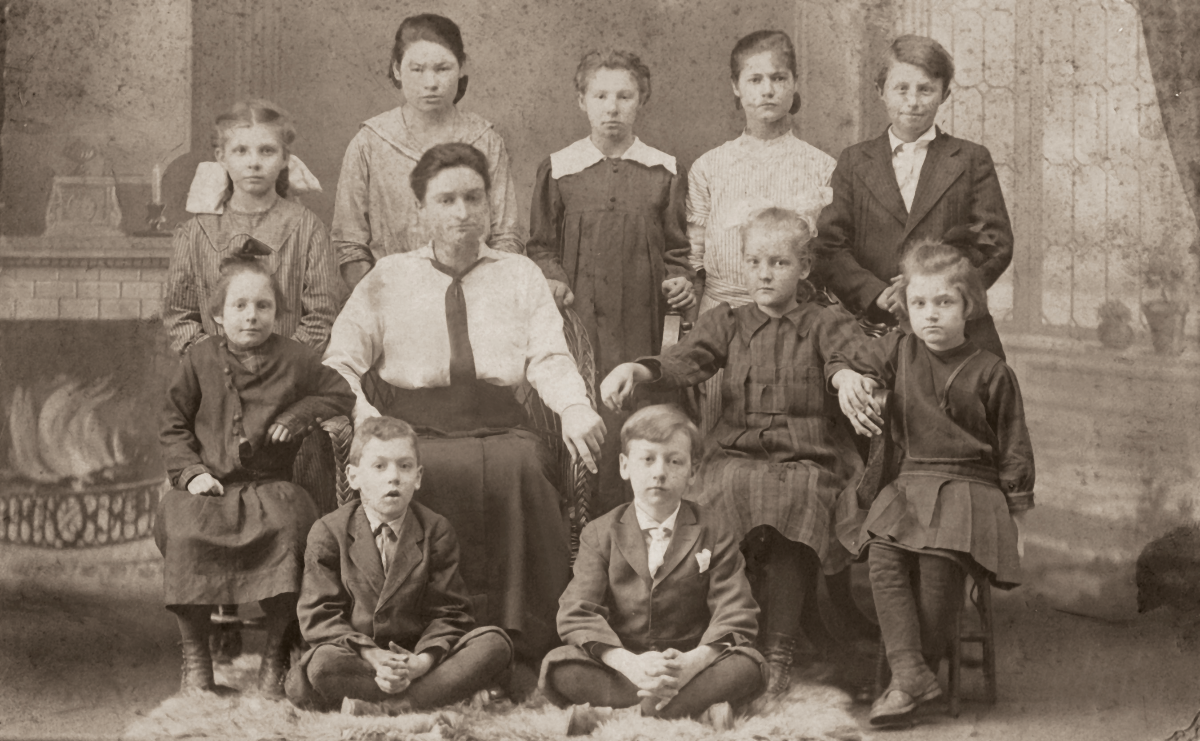
Many of the new schools were simple one-room affairs with a single teacher teaching all grades. While this may seem basic, it also provided definite advantages. Commenting in a later period, Ramona Trubey recalled her experience of being just one of five children in a one-room school: “I wouldn’t trade those days for anything. With only five of us in school, we had a lot of one-on-one time with the teacher, which made it easy to get the help we needed to progress quickly.”9
Another student, Beth Nelson, remembering her experience in a one-room school, agreed. “My teacher was very spiritual and caring. She once said that she hoped that all of us would be in the Lord’s work someday. She was the only person that ever said anything like that. It made such an impression on me and led me to go into education and teach at church schools in Illinois and Wisconsin.”10
All the worldwide Adventist education system developed from those early days of small one-room schools, like the one located in the back of the Centralia church where all classes were taught without books and the teacher wrote the lessons on the blackboard!
In Part 2 we will look at the colleges and universities, which really deserve their own stories.
_____________________________
1“Questions and Answers,” Review and Herald, Dec. 23, 1862, p. 29.
2“Questions and Answers,” p. 29.
3James White, “An Address to Those Who Are Interested in The Youth’s Instructor,” The Youth’s Instructor, Aug. 1852, p. 1.
4James White, “Sabbath-Keepers’ Children,” Review and Herald, Aug. 20, 1857, pp. 125-126; Aug. 27, 1857, pp. 133-134; Sept. 3, 1857, p. 141.
5J.H. Waggoner, “California Camp-Meeting,” Signs of the Times, Oct. 26, 1882, p. 474.
6For an account of her life and contribution to Adventist education, see article on pp. 20-23.
7For a list of current schools and academies, see https://paucedu.adventistfaith.com/tk12-schools.
8Ciro Sepulveda, “The Spirit of 1897: Reforming Adventist Education,” Spectrum Magazine, May 4, 2020, https://spectrummagazine.org/news/spirit-1897-reforming-adventist-education/.
9Renee Coffee, “Are Adventist One-Room Schools Relics of the Past?” Adventist Review, March 5, 2022, https://adventistreview.org/commentary/are-adventist-one-room-schools-relics-of-the-past/.
10Coffee, “Adventist One-Room Schools.”
Pioneros adventistas en el oeste De pequeñas aulas a convertirse en el mayor sistema educativo protestante
Por el personal del Recorder
Educación? ¿Para qué molestarse con eso? ¡Vamos al cielo!» Esa parece haber sido la idea de muchos primeros adventistas, ya que esperaban con entusiasmo el inminente regreso de Jesús. La educación era un proyecto a largo plazo y eso ya no parecía válido. Por ejemplo, W.H. Ball escribió en 1862 a James White en la Review and Herald, preguntando: «Hermano White: ¿Es correcto y coherente que nosotros, que creemos con todo nuestro corazón en la venida inmediata del Señor, busquemos dar educación a nuestros hijos? Si es así, ¿deberíamos enviarlos a una escuela de distrito o de pueblo, donde aprendan el doble del mal que del bien?»
James White respondió a la primera pregunta: «El hecho de que Cristo venga muy pronto no es razón para que la mente no deba mejorar. Una mente bien disciplinada e informada puede recibir y atesorar mejor las verdades sublimes del Segundo Advenimiento».1 En otras palabras, ¡incluso una firme creencia en el inminente regreso de Cristo no anula la importancia fundamental de una buena educación!
James White también rechazó la idea de que una próxima segunda venida significara que se debían sacar a los hijos de la escuela, respondió a la segunda pregunta de Ball diciendo: «De nuevo, si la mente de los niños no está elevada ni ocupada con estudios inofensivos, puede que lo estén con cosas que lleven hacia al vicio. Sacar a niños de la escuela, donde recibirían algún tipo de disciplina, y dejarlos correr por las calles, como algunos han hecho, para recibir una educación callejera corrupta, no es más que una locura».2
De hecho, James White había escrito anteriormente: «Es un hecho que muchos que profesan buscar a Cristo y estar preparados para el juicio han descuidado gravemente su deber hacia sus hijos. Algunos han pensado que, debido a que Cristo está regresando muy pronto, no necesitan dedicar mucha atención a sus hijos. Eso es un grave error».3
Fue James, y no Ellen White, quien tomó la iniciativa en ese tema. En 1857, escribió una serie de tres artículos sobre los «hijos de los guardadores del sábado», recomendando la educación en casa o el uso de un maestro que guardara el sábado.4 Ellen White no comenzó a escribir sobre educación en la Review hasta 1871. Sin embargo, una vez que lo hizo, proporcionó las bases filosóficas y teológicas para el creciente programa de educación denominacional.
¿Pero qué tiene que ver eso con la educación en el oeste? Proporciona el trasfondo de lo que ocurrió después, especialmente en California. De manera similar a lo que ocurrió en el este, pequeñas escuelas de una sola aula se desarrollaron como una necesidad, sin estructura ni supervisión organizada. Para ayudar con eso, la iglesia en desarrollo se esforzó para establecer una mejor organización.
La educación adventista en el oeste comenzó en 1882. Healdsburg Academy fue fundada por Sidney Brownsberger con 28 estudiantes de 5 años en adelante. En 1899 pasó a llamarse Healdsburg College y en 1909 se trasladó a Angwin, donde pasó a llamarse Pacific Union College. Esa fue la forma de asegurar una metodología mejorada para la enseñanza.
Escribiendo en la época en que se fundó la escuela de Healdsburg, J.H. Waggoner, editor de Signs of the Times, defendió la importancia de la educación en la obra denominacional. Comentó: «Trabajar sin educación ni cultura bajo el argumento de que el tiempo es breve es tan imprudente como el cálculo del hombre que cortó sus campos con una guadaña sin filo porque no tuvo tiempo para afilarla».5
Las primeras escuelas
Así que, por ejemplo, cuando se iniciaron algunas de las primeras escuelas primarias en California, se llamó a graduados de Healdsburg para enseñar—por ejemplo, Alma McKibbin,6 que enseñó en la escuela de Centralia, que comenzó en 1896—. Ese mismo año se abrió otra escuela primaria en San Pasqual y la expansión de las escuelas primarias que se desarrollaron después en el oeste es simplemente asombrosa. Consideremos esta lista:
Oakland (1889), Palama Chinese School in Hawaii (1895), Fresno (1897), Garden Grove (1897), Hilo Chinese Mission School (1897), Los Angeles (1898), Phoenix (1899), Oakland (1899), San Diego (1899), Modesto (1902), Reno (1902), Armona (1904), Glendale (1907), Bethel Grammar School in Hawaii (1914), Alhambra (1933), Calexico Mission School (1938), Navajo Mission School at Holbrook (1946), San Gabriel Union School (1947), y muchas más.
Hubo también escuelas más avanzadas, como Fernando College (1902), Pacific Press Training School en Oakland (1905), Central California Intermediate School, Armona (1906), Northern California Intermediate School, Chico (1907), Fresno Intermediate School (1908), Western Normal Institute, Lodi (1908), Spanish (Latin) American Training School en Phoenix (1920).
Y todas las academias:
Honolulu Anglo-Chinese Academy en Hawaii (1897), Arizona Intermediate Academy en Phoenix (1908), Phoenix Academy (1913), Loma Linda Academy (1920), Fresno Union Academy (1921), Hawaiian Mission Academy (1921), Glendale Academy (1921), La Sierra Academy (1922), Mountain View Academy (1922), Golden Gate Academy en Berkeley (1923), Los Angeles Academy (1923), Long Beach Academy (1924), Humboldt Academy (1926), Kern Academy en Shafter (1930), San Diego Academy (1930), Nevada-Utah Academy en Salt Lake City (1936), Modesto Union Academy (1937), Lynwood Academy (1938), Valencia Junior Academy (1944), Sacramento Junior Academy (1948), Newbury Park Academy (1948), Monterey Bay Academy (1949), San Pasqual Academy en Escondido (1949), Thunderbird Academy en Scottsdale (1954), Sacramento Union Academy (1958), San Fernando Union Academy (1960), Orangewood Academy en Garden Grove (1961), Rio Lindo Academy en Healdsburg (1962), Bakersfield Academy (1968), y así sucesivamente.7
¿Cómo fue que se llevó eso a cabo? Ciro Sepúlveda observó: «En 1897 solo había 43 escuelas patrocinadas por la Iglesia Adventista, con un total de 2.290 estudiantes matriculados. Tres años después, en 1900, había 246 escuelas y 7.400 estudiantes. El aumento de escuelas y estudiantes aumentó drásticamente. Para 1920 había 1.025 escuelas y 38.095 estudiantes…. Durante ese periodo, el número de profesores de primaria aumentó de 52 en 1897 a 250. Casi 200 nuevos profesores aparecieron en tres años, por una iglesia con menos de 70.000 miembros en todo el mundo. ¿Qué había pasado? ¿Había encontrado el sistema educativo adventista un tónico mágico que desatara una vitalidad asombrosa?»8
Propuso tres posibles razones para lo que él llama «El Espíritu de 1897». Primero estuvo la publicación del libro de Ellen White, Testimonios especiales sobre educación en 1897, que resumía sus amplias opiniones sobre lo que ella denominaba ser la «verdadera educación». Hubo después una reforma del Battle Creek College en 1897, con una nueva administración que adoptó algunas de las ideas de Ellen White. Al mismo tiempo, también estaba el trabajo de Edson White en el barco Morning Star en el sur del país, que promovió el desarrollo de escuelas.
Muchas de las nuevas escuelas eran sencillas, de una sola aula, con un solo profesor o profesora enseñando todas las clases. Aunque eso pueda parecer básico, también aportó ventajas claras. Comentando en un periodo posterior, Ramona Trubey recordó su experiencia de ser solo una de cinco chicos en una escuela de una aula: «No cambiaría aquellos días por nada. Con solo cinco chicos en esa escuela, teníamos mucho tiempo individual con el profesor, lo que facilitaba conseguir la ayuda necesaria para avanzar rápidamente».9
Otra estudiante, Beth Nelson, recordando su experiencia en una escuela de una aula, estuvo de acuerdo. «Mi profesora era muy espiritual y atenta. Una vez dijo que esperaba que todos estuviéramos en la obra del Señor algún día. Ella fue la única persona que dijo algo así. Me impresionó mucho y me llevó a dedicarme a la educación y enseñar en escuelas de la iglesia en Illinois y Wisconsin».10
Todo el sistema educativo adventista mundial se desarrolló a partir de aquellos primeros días de pequeñas escuelas de una aula, como la que estaba situada en la parte trasera de la iglesia de Centralia, donde todas las clases se impartían sin libros y la profesora escribía las lecciones en la pizarra.
_____________________________
1«Questions and Answers,» Review and Herald, Dec. 23, 1862, p. 29.
2«Questions and Answers,» p. 29.
3James White, «An Address to Those Who Are Interested in The Youth’s Instructor,» The Youth’s Instructor, Aug. 1852, p. 1.
4James White, «Sabbath-Keepers’ Children,» Review and Herald, Aug. 20, 1857, pp. 125-126; Aug. 27, 1857, pp. 133-134; Sept. 3, 1857, p. 141.
5J.H. Waggoner, «California Camp-Meeting,» Signs of the Times, Oct. 26, 1882, p. 474.
6Para un relato de su vida y contribución a la educación adventista, véase el artículo en las páginas 20-23.
7Para una lista de escuelas y academias actuales, véase https://paucedu.adventistfaith.com/tk12-schools.
8Ciro Sepulveda, «The Spirit of 1897: Reforming Adventist Education,» Spectrum Magazine, May 4, 2020, https://spectrummagazine.org/news/spirit-1897-reforming-adventist-education/.
9Renee Coffee, «Are Adventist One-Room Schools Relics of the Past?» Adventist Review, March 5, 2022, https://adventistreview.org/commentary/are-adventist-one-room-schools-relics-of-the-past/.
10Coffee, «Adventist One-Room Schools».